
A flight number is the passenger-facing code for a scheduled service: the airline’s two-character code plus digits, such as 6E for IndiGo. A callsign is the name pilots and air traffic control use on the radio, such as IFLY. A tail number, or registration, identifies one physical aircraft. In India it starts with VT, as in VT-ABC.
Updated October 2026 · HappyFares
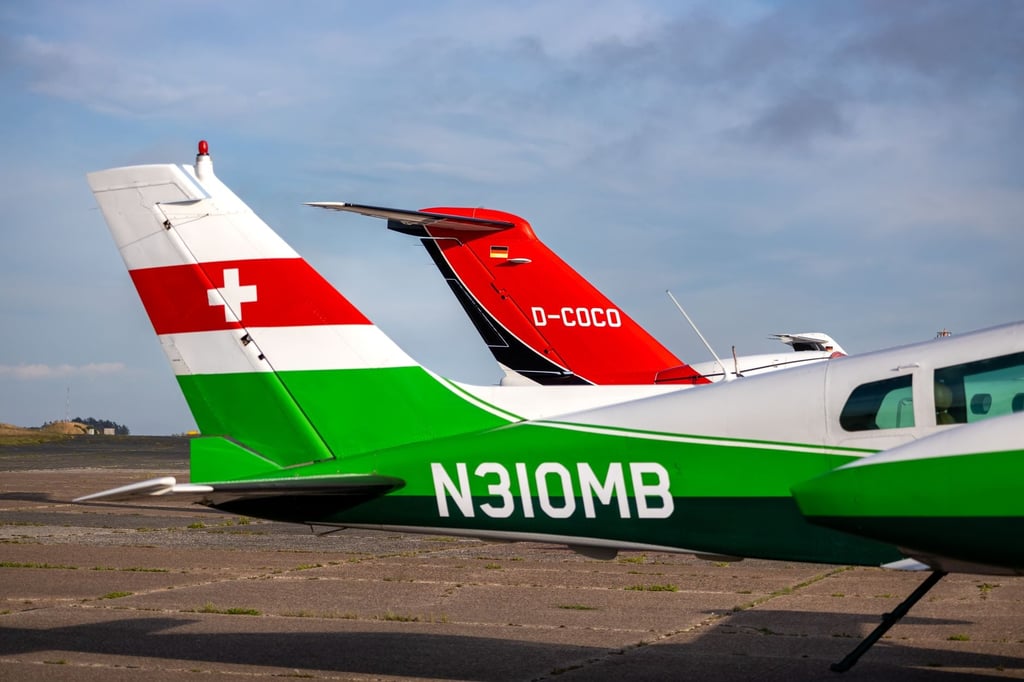
Your ticket shows one code, flight trackers show another, and pilots say a third on the radio. They are three separate identifiers, and each answers a different question.
What is a flight number?
The flight number is what you see on your booking, boarding pass and airport screens. It is made of the airline’s IATA designator, which is two characters, followed by a number. IndiGo uses 6E, Air India uses AI and Air India Express uses IX, so a flight shown as 6E followed by digits is an IndiGo service.
A flight number belongs to a service on a schedule, not to a particular aircraft. The same number can be flown by different aircraft on different days, and an airline can swap the aircraft on short notice without changing your flight number.
What is a callsign?
A callsign is how a flight is identified in communication with air traffic control. Airlines have an ICAO three-letter designator and a spoken radiotelephony name, and the callsign combines that spoken name with the flight identifier. This keeps the radio clear, because a spoken word is harder to mishear than a pair of letters.
Some Indian airline callsigns are:
- Akasa Air: ICAO designator AKJ, spoken as “AKASA AIR”.
- IndiGo: ICAO designator IGO, spoken as “IFLY”.
- Air India: ICAO designator AIC, spoken as “AIRINDIA”.
- Air India Express: ICAO designator AXB, spoken as “EXPRESS INDIA”.
These come from published airline reference listings. We have left out other airlines where we could not confirm the callsign from a source we could check.
Because the callsign is built from the airline name, you will often see a flight tracker show something like the ICAO code and number, while the airline’s flight number on your ticket looks different. They refer to the same service.
What is a tail number?
The tail number is the aircraft registration, painted on the fuselage or tail. Unlike a flight number, it identifies one specific aircraft for its working life with that registration. The international system follows ICAO Annex 7 under the Chicago Convention, which requires aircraft in international air navigation to carry nationality marks.
The registration has two parts: a prefix of one or two characters that shows the country, and a suffix that identifies the aircraft. India’s prefix is VT, so an Indian-registered aircraft looks like VT-ABC. The Government of India has said that VT is notified by ICAO under Annex 7, and that the prefix traces back to radio call-sign blocks allocated to India by the ITU. It is often said to stand for “Viceroy’s Territory”, but the government has said no ICAO document supports that.
Why do three identifiers exist?
Each has a different audience. Flight numbers help passengers and airline systems manage tickets and schedules. Callsigns help air traffic control and pilots communicate clearly. Registrations help regulators, airports and engineers track a specific aircraft, its maintenance and its history.
That is why a flight number can stay the same while the registration changes, and why no two aircraft carry the same registration at the same time. If you track your flight, you can usually find the registration of the aircraft assigned to it, though the aircraft can still be changed before departure.
Where can you find each one?
The flight number is on your booking confirmation and boarding pass. The registration is visible on the aircraft itself, usually near the tail. The callsign is something you may hear if you listen to air traffic control feeds, and flight tracking tools may show it.
A small aviation note: a registration stays with an aircraft, but it can be changed if the aircraft moves to a different country’s register, because the prefix shows the nationality.
How do the three fit together on one flight?
Take an imaginary IndiGo service. Your boarding pass shows 6E and a number. On the radio, the crew uses the spoken name IFLY with the flight identifier. Painted near the tail of the aircraft is a registration beginning with VT. Three labels, one journey: the first is for you and the airline’s systems, the second for air traffic control, and the third for the aircraft itself.
When you read news about an incident, reports may mention the flight number, the registration or both. The flight number tells you which scheduled service was involved, and the registration tells you which aircraft it was that day.
Common Questions
Is the flight number the same as the callsign?
No. The flight number is the commercial code on your ticket. The callsign is the radio identifier, which uses the airline’s spoken name.
What does 6E mean?
6E is IndiGo’s IATA airline designator, used at the start of its flight numbers.
What does VT mean on Indian planes?
It is India’s nationality mark under ICAO Annex 7. The government says it comes from radio call-sign blocks allocated to India.
Does a tail number change from flight to flight?
No. It identifies one aircraft. The aircraft assigned to a flight number can change, so the tail number seen on a route can vary from day to day.
Can I choose the aircraft on my flight?
Usually not. Airlines assign aircraft, and can swap them for operational reasons.
Why does my tracker show a different code from my ticket?
Trackers often use the ICAO designator and callsign, while your ticket uses the IATA code. They describe the same service.
Ready to book? Search and compare flights on HappyFares, with zero convenience fee on domestic bookings, price alerts and Meera, our AI assistant, to help you choose.
Codes and rules change. Please verify current specifics with your airline, DGCA or the airport before you travel.

