
Cabin crew are on board first for safety and second for service. The minimum number of crew for each aircraft type is set by the operator and the regulator so that the cabin can be evacuated quickly, and international guidance says crew should be assigned to the floor-level exits. Serving snacks and drinks is the part passengers see, but it is not why the crew are required.
Updated October 2026 · HappyFares
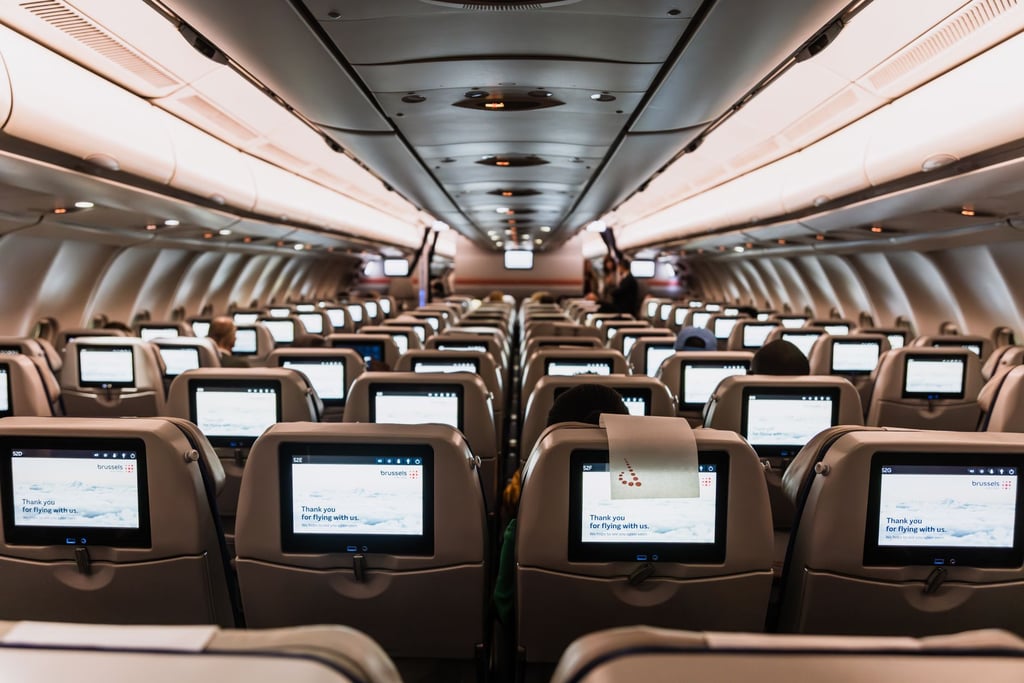
Most of us judge cabin crew by how fast the trolley arrives. The job is much wider than that, and the staffing on every flight is built around the part you hope never to see.
How many cabin crew must an Indian flight have?
There is no single number that applies to every flight. International standards under ICAO Annex 6 require each operator to establish the minimum number of cabin crew for each aircraft type it flies. ICAO says the aim of that minimum is to allow a safe and expeditious evacuation of the aircraft. The standards do not fix one universal figure.
ICAO guidance also says that one cabin crew member should be assigned per floor-level exit, which reduces the risk of an exit having nobody supervising it. In practice, that is why a larger aircraft with more doors carries more crew than a small one, and why a full flight and a half-empty flight on the same aircraft type usually have a similar number of crew.
India follows the same framework through its civil aviation regulator, the DGCA. Exact ratios are written into the rules and into each airline’s approved manuals, and we have not quoted a specific ratio here because we could not confirm the current wording from an official DGCA source. If you want the precise requirement, read the current DGCA rules directly.
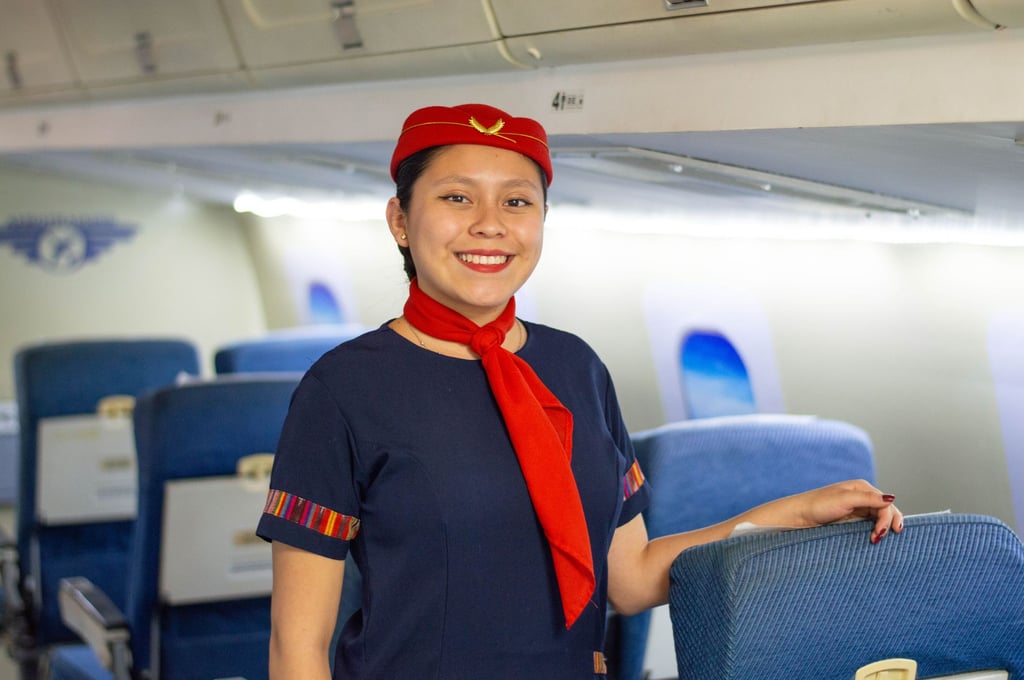
What is the safety role of cabin crew?
IATA notes that cabin crew safety work was once seen as limited to evacuating an aircraft after an accident. That remains an essential duty, but today the safety role goes much further. IATA lists the prevention and handling of in-flight fires, unruly passengers, depressurisation and turbulence among the things crew help manage.
Practical safety duties include:
- Checking that the cabin is ready before departure, including seat backs, tray tables and cabin baggage stowage.
- Giving the safety briefing and answering safety questions.
- Watching the cabin for smoke, unusual smells, medical problems and behaviour that could affect safety.
- Knowing their assigned emergency station and what to do there.
Did you know? The crew member standing near an exit during the briefing is often also the person assigned to that exit in an emergency. The safety demonstration is a working rehearsal for them as well as a briefing for you.
What do cabin crew do in an emergency?
ICAO Annex 6 covers the assignment of cabin crew emergency duties and the stations crew take during an evacuation, along with training and fatigue management. Each airline turns that into its own procedures, so the exact steps differ by aircraft type and situation.
In general terms, in an emergency the crew assess the situation, communicate with the cockpit, give clear instructions, check that exits are usable and direct passengers away from the aircraft. Their commands are short and loud on purpose. Following them quickly matters more than collecting a bag.
That is also why you are asked to keep the aisle and exit rows clear, keep seatbelts fastened when the sign is on, and listen to the briefing even if you have heard it many times.
What is the service role?
The service side covers welcoming passengers, helping with seating and bags, serving meals and drinks, selling items on board and handling requests. It is real work and it is part of the airline’s product, but it is carried out around the safety duties. If there is a safety concern, service stops at once.
This explains common moments that can feel unfriendly. Crew may ask you to stow a bag, raise a window blind, return your seat to upright or stop using a device right now. Those requests are linked to takeoff and landing checks, not personal preference.
Service also varies by airline and fare. Some airlines sell meals and snacks on board, and what is free depends on the airline and the fare you booked. Check the airline’s own page for your flight if you rely on a particular meal or option.
How are cabin crew trained?
Crew do not simply start serving. Under the international framework, training is part of the system, and operators must train crew for their assigned emergency duties. Training generally covers evacuation, firefighting, first aid, handling emergencies and working with the flight deck, and crew are reassessed on a regular basis. The detail, length and schedule are set by the regulator and by each airline, so we have not put figures on them here.
Common Questions
Do cabin crew have to be on board for the flight to depart?
Yes. An airline needs at least its required minimum crew for the aircraft type, and the flight cannot leave without them. This is one reason a flight can be delayed when a crew member is late or unwell and a replacement has to be found.
Why are there more crew on a bigger aircraft?
Bigger aircraft have more exits, and ICAO guidance says one crew member should be assigned per floor-level exit. More exits mean more crew, even if the cabin is not full.
Can I ask a crew member for medical help?
Yes. Press the call button or tell the nearest crew member. Crew are trained in first aid and will follow the airline’s procedures, which can include asking whether a doctor is on board.
Why do crew ask me to follow instructions that seem small?
Many of them are linked to safety checks before takeoff and landing, such as upright seats, stowed tray tables and fastened belts. Following them quickly helps the whole cabin.
Do cabin crew decide whether a flight is safe to fly?
No. The pilot in command makes operational decisions. Cabin crew report anything they notice to the cockpit and look after the cabin.
Do I need to pay for check-in to get a seat near the exit?
Checking in is free on Indian airlines, online or at the airport. Some seats, including extra-legroom rows, may carry a seat selection fee, which varies by airline and route. Exit row seats also come with extra responsibilities, and crew can reseat you if you cannot meet them.
Planning a trip? Search and compare flights on HappyFares, with zero convenience fee on domestic bookings, price alerts and Meera, our AI assistant, to help you find the right flight.
Rules and fees change. Verify current specifics with the airline, DGCA or the airport before you travel.

