
The ATR 72 is a twin-engine turboprop that seats between 44 and 78 passengers depending on configuration, according to manufacturer ATR. It is built for short sectors and short runways, and ATR’s website lists a takeoff distance of 1,315 metres at maximum takeoff weight. That suits smaller Indian airports, which is why several Indian airlines use ATRs on regional routes.
Updated October 2026 · HappyFares
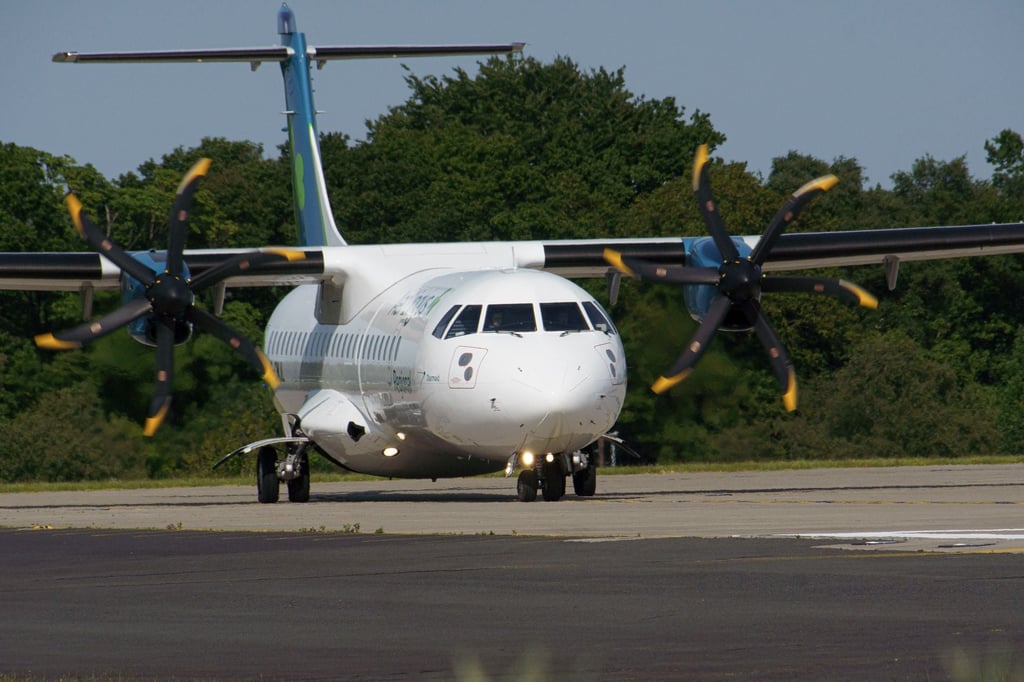
If you have flown to a smaller city in India, you may have boarded a plane with propellers and wondered why. The reason is mostly about the route, not the age of the aircraft.
What is an ATR 72?
The ATR 72 is a regional turboprop made by ATR. The current version, the ATR 72-600, is listed by the manufacturer with a seat range of 44 to 78, with example layouts of 72 seats at 29 inch pitch and 78 seats at 28 inch pitch. Airlines choose their own cabin layout, so the seat count you see on one airline is not the same as on another.
A turboprop uses a gas turbine engine to turn a propeller, instead of relying mainly on a jet’s exhaust thrust. On short hops this tends to be an efficient way to move a small number of passengers.
Why do turboprops suit short routes?
ATR describes the aircraft as designed around short sectors, with a lighter structure, optimised speed and an engine designed for short flights. On a short route, a jet spends a large share of the trip climbing and descending, so the speed advantage of cruising high and fast matters less. A turboprop typically cruises lower and slower than a jet, which costs little time on a short sector.
ATR also claims lower operating costs than competing regional jets and low CO2 per seat per kilometre. Those are manufacturer claims and have not been independently checked here, so treat them as the maker’s view.
Why do short runways matter?
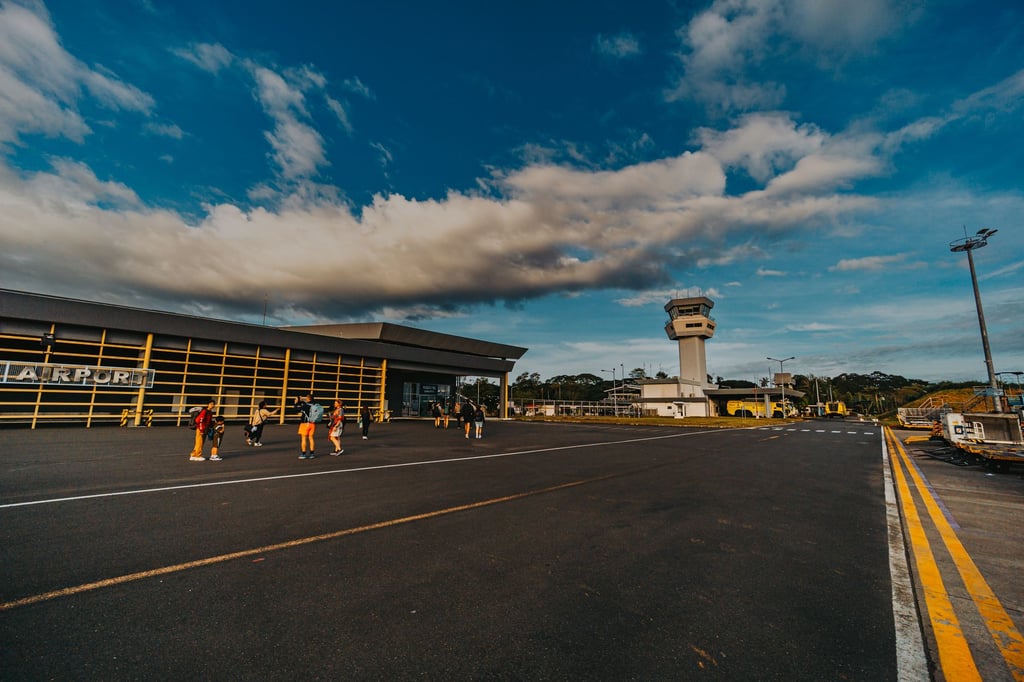
Many regional airports have shorter runways than the big metro airports. ATR lists a takeoff distance of 1,315 metres at maximum takeoff weight (international standard atmosphere, sea level) and a landing distance of 915 metres at maximum landing weight. It also says the aircraft can operate from short, narrow and unpaved runways in challenging conditions. Real performance on the day depends on weight, temperature, altitude and the runway itself.
This ability to use smaller airfields is what lets airlines connect towns that a larger jet could not serve efficiently.
Which Indian airlines fly ATRs?
Several Indian carriers operate the ATR 72-600. IndiGo says it took delivery of its first ATR 72-600 in 2017, and uses the type for regional connectivity. Alliance Air, the regional airline, has also flown the ATR 72-600 on its domestic network, so check its current fleet. Fly91, the Goa-based regional airline, flies ATR 72-600s on routes into smaller airports, and a September 2026 report says it has placed a firm order for 40 more, with deliveries planned from 2027 to 2032.
Fleet counts change often, so check the airline for the current picture. The aircraft on your route can also be swapped, so do not assume a specific type from the booking alone.
What is it like to fly on an ATR?
Expect a smaller cabin than a typical jet, since the seat range tops out at 78. The aircraft usually cruises lower and slower than a jet, so you may notice more of the weather and the ground below. Baggage rules are set by each airline, so check the allowance on your booking before you pack, especially on a small aircraft where cabin space is limited.
If you are travelling on a regional route for the first time, allow time at a smaller airport as well. Facilities can be simpler than at a metro hub, and the schedule may have fewer departures in a day, so a missed flight can be harder to replace. Setting a price alert and booking early often helps on routes with few flights.
A small aviation note: the propellers are driven by turbine engines, which is why these aircraft are called turboprops and not piston-engine planes.
How can you tell which aircraft you will fly?
Your booking normally shows the flight number and timings but not always the aircraft type. Some airlines display the type on the flight details page or in the seat map, and a smaller seat map with fewer rows is a hint of a smaller aircraft. Because airlines can change the aircraft for operational reasons, treat the type as likely rather than certain.
If you need a specific kind of seat or have luggage that is large, check the airline’s baggage and seating rules for your route before you travel. Rules differ by airline and fare family, so the booking page is the best place to confirm.
Common Questions
How many seats does an ATR 72-600 have?
ATR lists 44 to 78 seats depending on the layout. The exact number depends on the airline’s configuration.
Is flying on a propeller plane safe?
Turboprops are certified aircraft operated under the same regulatory framework as jets. Aviation authorities, not the propellers, determine whether an operation is permitted.
Why is my regional flight slower than a jet route?
Turboprops typically cruise slower than jets, though on short sectors the difference in total time is often small.
Can I choose an ATR when I book?
Usually not. Airlines decide the aircraft for a route and may change it, so the type is not guaranteed.
Do ATRs fly to small airports a jet cannot use?
That is a main reason they exist. ATR says the aircraft can use short, narrow and unpaved runways in demanding conditions.
Which airlines in India fly ATRs?
IndiGo and Fly91 operate the ATR 72-600, and Alliance Air has flown it for years; check the airline for its current fleet. Check each airline for its current routes.
Heading to a smaller city? Search and compare flights on HappyFares, with zero convenience fee on domestic bookings and price alerts so you can book when the fare suits you.
Fleets, routes and rules change. Please verify current specifics with the airline, DGCA or the airport before you travel.

