
After boarding, the doors close and a tug pushes the aircraft back from the gate. The engines are generally started during pushback, then the crew completes checks and asks air traffic control for taxi clearance. At busy airports, aircraft queue at the runway, and takeoff happens only after ATC gives a separate takeoff clearance.
Updated October 2026 · HappyFares
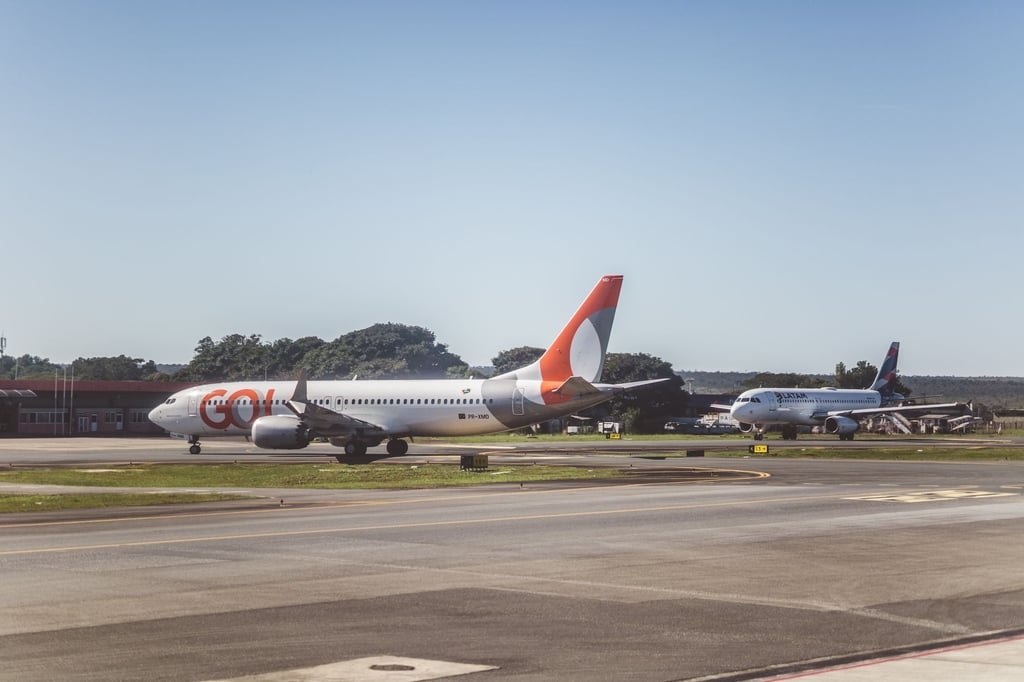
Boarding is finished, the doors are shut, and yet the plane seems to sit and roll for a long time before it lifts off. Here is the usual sequence, and why the wait happens.
What happens right after the doors close?
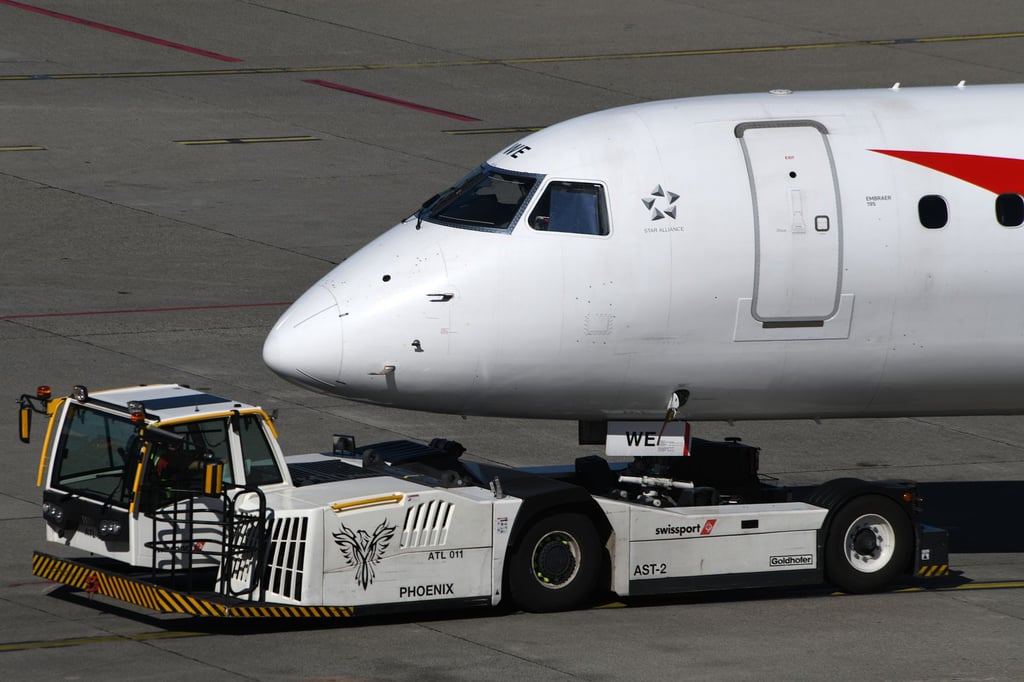
Once boarding is complete and the doors are closed, the aircraft is ready to leave the gate. An aircraft parked at a gate needs a tug to push it back.
Before pushback, the pilots speak to air traffic control. ATC can also give a conditional pushback approval, for example approving the pushback once another aircraft passing behind has cleared, and that condition is passed on to the ground crew.
How does pushback work?
A ground crew, typically supplied by the airport, runs the pushback. According to SKYbrary, the aviation safety knowledge base, a pushback crew is in most cases at least three people: someone driving the tug, someone watching wingtip and tail clearance, and someone supervising and coordinating with the flight deck. Their job includes making sure no part of the aircraft will hit a fixed object or another aircraft.
The engines are generally started during the pushback. The crew watches the gauges closely while this happens, and you may hear or feel the engines starting around this time.
When does the plane actually start taxiing?
Taxi clearance is obtained once the engines are running and the after-start checklists are complete. Both pilots are expected to monitor the taxi route, and the before-taxi checklist is completed before the aircraft moves.
Taxiing is not a free drive to the runway. The aircraft follows the route ATC gives, and may have to hold at certain points to let other traffic cross or pass.
Why does a queue form before takeoff?
At a busy airport, departing aircraft wait their turn in sequence at the holding point. A runway holding position is the point where the aircraft stops until ATC allows it to proceed onto the runway.
SKYbrary points out that being told to line up on the runway is not the same as takeoff clearance. The pilots must wait for the controller to clear them for takeoff before they start the takeoff roll. This separation is a safety step, and it is one reason you may sit on the runway edge or on the taxiway even though the engines are running.
The exact wait depends on how many aircraft are ahead of you, whether arrivals are using the same runway and what the controller needs to keep safe spacing. No timing is given here because it varies by airport and time of day.
Why can a flight wait on the ground after boarding?
Common reasons include the queue described above, a wait for ATC approval, other aircraft occupying the route, and waiting for a ground crew or tug. A gate-parked aircraft needs a tug and a ground team, so if either is late, the pushback is late.
The pilots will usually update you when they know more. If the wait is long, ask the cabin crew about options such as water, and keep your seatbelt fastened whenever the sign is on.
What can passengers do during the wait?
Stay seated with your seatbelt fastened when the sign is on, keep your phone and bag stowed as the crew asks, and listen to announcements. The pilots are coordinating with ATC and ground staff, and each step in the sequence above has to be completed before the next one begins.
If you have a tight connection, a long queue on the ground can matter. It is worth checking your onward flight status while you are still allowed to use your device, and speaking to the cabin crew or the airline on arrival about rebooking if you miss it.
The sequence is the same whether you are on a small regional flight or a large aircraft: doors closed, pushback, engine start, taxi clearance, holding point, line-up and then takeoff clearance. Each step exists for safety, and it explains why the minutes before takeoff are rarely as idle as they seem from the window seat.
Common Questions
Why does the plane not take off immediately after pushback?
Because it still has to complete engine-start checks, get taxi clearance, move to the holding point and receive a separate takeoff clearance from ATC.
Are the engines on while we are being pushed back?
They are generally started during pushback, per SKYbrary, though exact practice depends on the aircraft and airport.
What is the difference between line-up and takeoff clearance?
Line-up allows the aircraft onto the runway. It is not takeoff clearance, which is a separate instruction from the controller.
Can I use my phone or stand up while taxiing?
Follow the crew’s instructions. Seatbelts and cabin rules are there because the aircraft is moving and can stop suddenly.
Why do I hear a bump or hum during pushback?
It can be the engines starting, which SKYbrary says usually happens during pushback.
Does a long wait mean something is wrong?
Not necessarily. At busy airports a queue to the runway is a common reason. The crew will usually tell you if the cause is technical.
Looking for your next flight? Search and compare fares on HappyFares, with zero convenience fee on domestic bookings and price alerts for your route.
Procedures vary by airline, aircraft and airport. Please verify current specifics with your airline, DGCA or the airport before you travel.

