
A bird strike is a collision between a bird and an aircraft. Most happen at low altitude, during takeoff, landing and final approach, because that is where birds and aircraft share the same airspace. Airports reduce the risk through habitat control and bird scaring. After a strike, the aircraft is inspected by qualified engineers, which can cause a delay.
Updated October 2026 · HappyFares
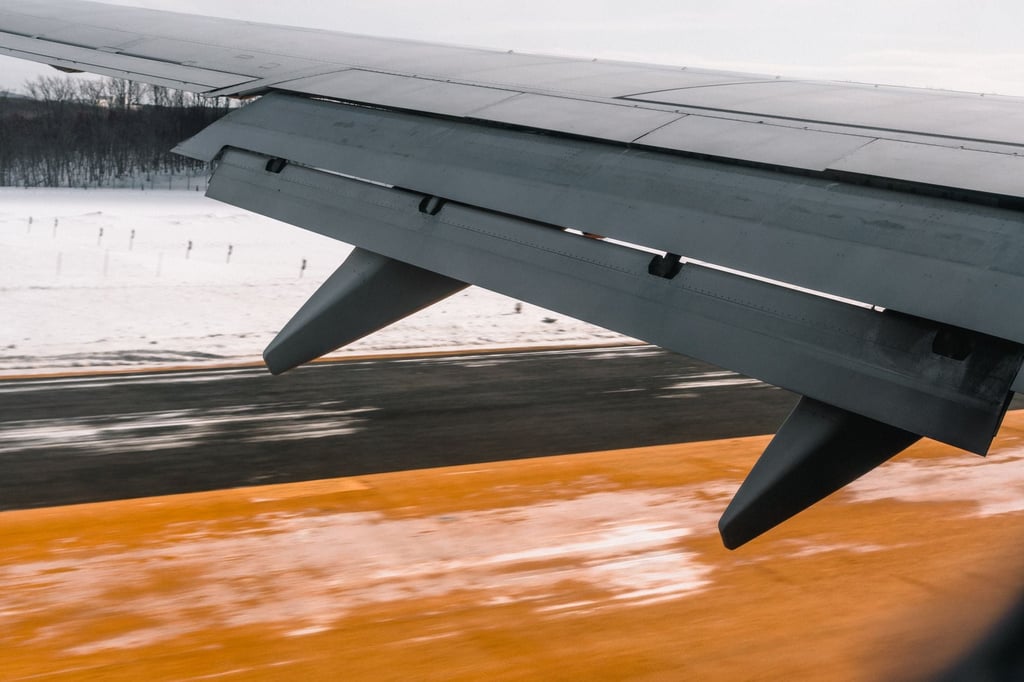
If your flight has ever been delayed with the announcement “a bird hit the aircraft”, you may have wondered how serious that is. Here is what is known about why strikes happen and how airports and airlines respond.
What is a bird strike?
A bird strike is simply a collision between a bird, or a flock, and an aircraft. The term is also used more broadly for wildlife strikes, which can include bats or animals on the runway. A strike does not automatically mean an emergency, but it always means a check.
What matters is where the bird hits, how large it is and how many birds are involved. Engines, the windscreen, the nose and the wing leading edges are the areas crews and engineers usually check first.
Why are takeoff and landing the risky phases?
Birds fly mostly at low altitudes, and that is exactly where aircraft are during departure and arrival. United States Air Force flight safety data for FY15 to FY24 shows takeoff, normal landing and final approach together make up 63 percent of the events in its top five phases for wildlife strikes. An FAA and USDA report on US civil aircraft strikes from 1990 to 2008 found that 72 percent of strikes occurred at or below 500 feet above ground level. Those are US figures and the second set is dated, so treat them as an illustration of the pattern, not an Indian statistic.
There is a second reason. During takeoff and landing the engines are working hard and the aircraft is slower and closer to the ground, so crews have less time and altitude to react.
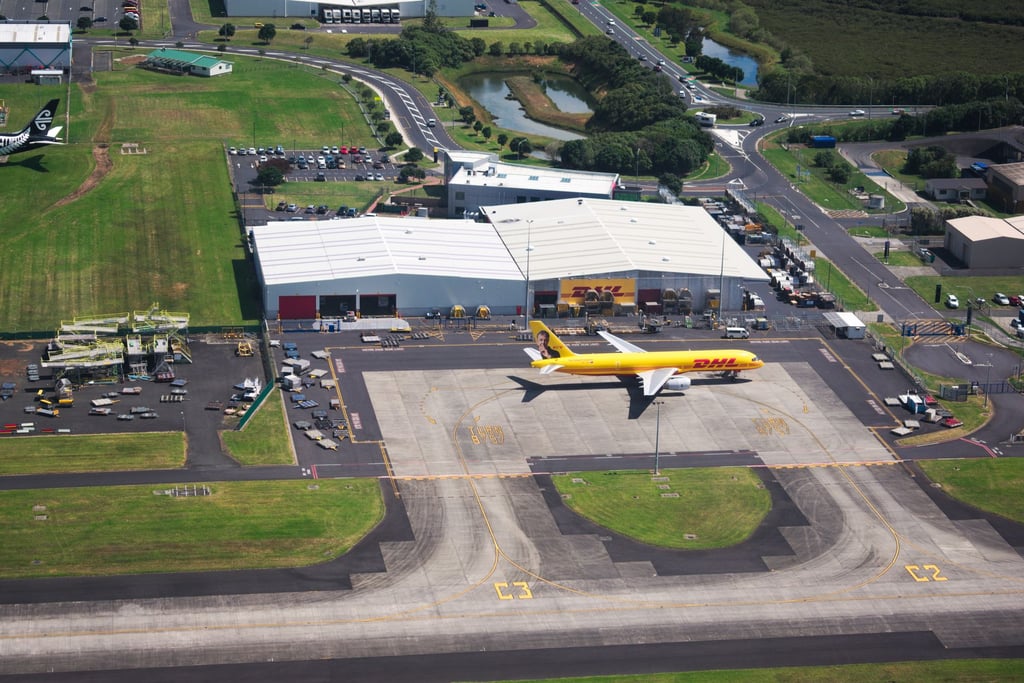
How do airports in India manage wildlife?
Indian airports follow DGCA requirements and ICAO standards for wildlife hazard management. According to reports of a DGCA circular on managing potential wildlife hazards at licensed aerodromes, habitat management is considered probably the most important way to prevent or reduce strikes. The idea is to make the airfield and its surroundings less attractive to birds, for instance by removing attractants such as open garbage.
Reported DGCA guidance also covers:
- Bird scaring: airport operators were asked to deploy bird chasers and bird-scaring devices, with patrols that follow random patterns so birds cannot learn the timing.
- Attractants: inspections to look for attractants such as garbage dumps and open disposal of waste near the airport.
- Reporting: airport operators report on action taken.
An Indian working paper presented to ICAO also describes a National Bird Control Committee chaired by the Secretary of Civil Aviation, with a core group maintaining a database of wildlife strikes.
What happens to the aircraft and passengers after a strike?
Guidance from aviation safety bodies is consistent: a wildlife strike must be inspected, whether or not damage is visible, and qualified maintenance personnel assess any damage. The crew may continue or return depending on how the aircraft is behaving, and the decision rests with the pilots and the airline.
For passengers, this usually means a delay while engineers check the aircraft, and sometimes a change of aircraft. If you are on a connecting itinerary booked together, tell the airline staff early. For rebooking, refunds or care, ask your airline, as the details depend on the airline and the ticket.
One small aviation note: safety guidance in the US asks pilots to file a wildlife strike report after a strike, and India’s national bird control group keeps a database of strikes.
Should passengers worry about bird strikes?
Not in the sense of changing travel plans. Strikes are a known hazard that airports, regulators and airlines plan for, which is why habitat management, patrols and post-strike inspections exist. The inspection rule is also the reason a bird-hit delay feels long: the aircraft is not cleared to continue just because it looks fine from the window.
If your flight is delayed for this reason, stay near the gate, keep an eye on airline messages and ask the airline about rebooking if you have a tight connection. Delays from wildlife are outside what an airline can predict, and the response depends on its policy and your ticket, so check with the airline directly.
Crews, engineers and airport wildlife teams all treat a strike report seriously, and each one adds to the picture of where birds are a problem.
Common Questions
Can a bird strike bring down a plane?
Serious outcomes are the exception, but safety guidance says every strike should be inspected, because damage is not always visible.
Why does my flight wait after a bird hit?
Because the aircraft must be inspected by qualified engineers before it flies again. The length of the delay depends on what they find.
Do bird strikes happen at cruising altitude?
Much less often. The data above show strikes cluster at low altitude, in takeoff, landing and approach.
What do Indian airports do about birds?
They manage habitat, deploy bird chasers and scaring devices, and inspect for attractants such as garbage, in line with DGCA guidance as reported.
Can passengers do anything during a bird strike?
Follow crew instructions, keep your seatbelt fastened and stay calm. The crew handles the response.
Will I get a refund if my flight is delayed by a bird strike?
That depends on the airline’s policy and your ticket. Contact the airline directly for options.
Want a smoother trip? Search and compare flights on HappyFares with zero convenience fee on domestic bookings, and set a price alert for your route.
Rules and fees change. Please verify current specifics with your airline, DGCA or the airport before you travel.

