
Yes, with one big condition. Dry homemade vegetarian food such as parathas, theplas, khakhra, laddoos and namkeen is generally accepted in cabin and checked baggage on Indian domestic flights. Gravies, curd, pickle, chutney and other wet or semi-liquid food count as liquids, so in the cabin they must fit the 100 ml per container limit. Bigger portions belong in checked baggage.
Updated October 2026 · HappyFares
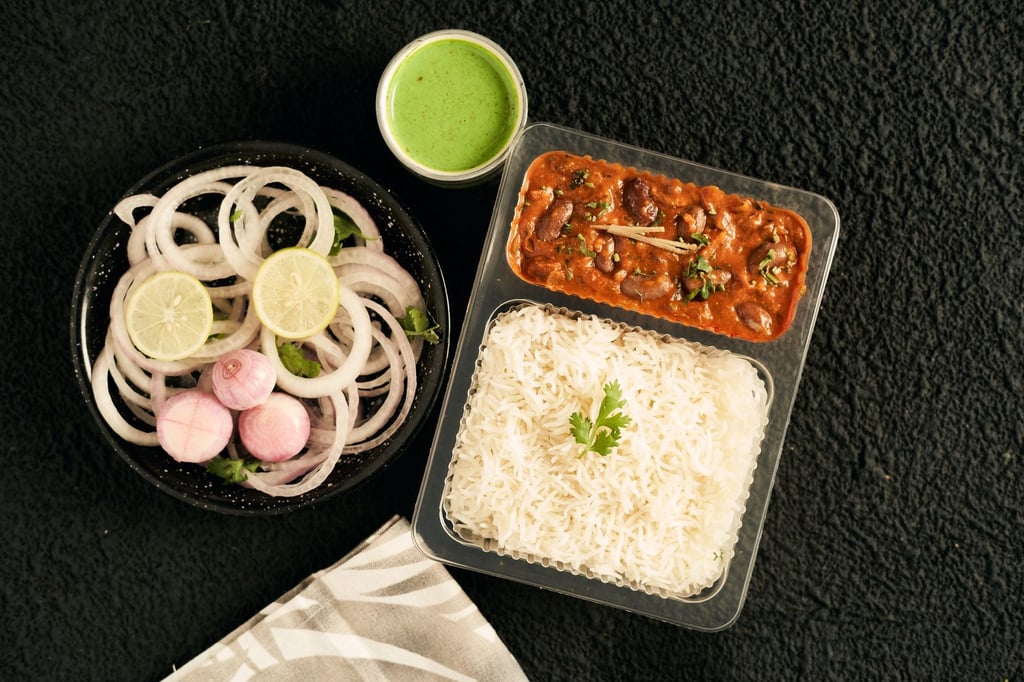
Carrying a home-cooked meal is a long-standing habit for Indian families, especially on trips with children or elders. Most of it goes through without any trouble, provided you sort the dry food from the wet food before you pack.
Which homemade vegetarian foods are fine in cabin baggage?
Dry and solid foods are the easy category. Think theplas, parathas, puris, khakhra, roasted chana, makhana, dry fruits, laddoos, chivda and sealed biscuits. Travel guides for Indian routes commonly list these dry items as simpler to carry than wet food, and fruits and nuts as generally fine too.
Some tips for dry food:
- Use airtight boxes or foil, which keeps the food fresh and makes it easy to open for inspection.
- Pack food in an outer pocket or on top, not buried under clothes, so you can take it out if asked.
- Avoid greasy, dripping preparations that leak into the bag.
Checking in is free on Indian airlines, so carrying your own food costs nothing extra beyond the baggage allowance on your fare.

What about gravies, curd, pickle and other wet food?
Anything wet, soft or spreadable is a grey area that most people treat as a liquid. The Airports Authority of India’s security pages say liquids, aerosols and gels in cabin baggage must be in containers of 100 ml or less each, all fitting in a single clear, resealable plastic bag of up to one litre. Prescription medicines and baby food are listed as exemptions.
In practice this means:
- Dal, sabzi gravy and kadhi in a large container should go in checked baggage, not the cabin.
- Curd, pickle, chutney, jam and ghee are generally treated as liquids or gels for cabin purposes, so only small containers of 100 ml or less are likely to pass.
- A thick ready-to-eat pouch may or may not be questioned, because screening is at the officer’s discretion. If it is more than 100 ml and wet, the safe choice is checked baggage.
Air India’s cabin baggage guidance likewise says to avoid carrying liquids, aerosols and gels over 100 ml in the cabin. Larger quantities can be carried in checked baggage.
How is food screened at the airport?
All cabin baggage goes through the X-ray machine. If the screening officer wants a closer look at a food box, you may be asked to open it or take it out. This is routine and not a sign that anything is wrong. Keep food in transparent or easy-open containers to make it quicker.
If a wet item is stopped, you usually have three options: finish it before you pass security, give it to a companion who is not flying with you, or return to the check-in area to put it in checked baggage if the bag-drop is still open. The last option is not always possible close to departure, so it is better to pack correctly at home.
A simple rule of thumb: if you can pour it, spoon it or spread it, treat it as a liquid. If you can pick it up with your hand and it holds its shape, it is dry food. Splitting your meal into a dry box for the cabin and a sealed wet container for checked baggage keeps both screening and the journey stress-free.
What about checked baggage and international arrivals?
Checked baggage is the right place for larger containers of gravy, pickles, curd or ghee. Seal each container tightly, wrap it in a plastic bag and cushion it with clothes. Remember that checked baggage is limited by your fare’s weight allowance.
International travel is different. The security limit on liquids still applies at departure, but on arrival the destination country’s customs and agriculture rules decide what food you may bring in. Countries differ on fresh produce, dairy and homemade items, and some require you to declare food on arrival. Check the customs website of the country you are flying to before you pack, and do the same for the return leg to India.
Did you know? Dry, shelf-stable food travels better than fresh food in any case. Items like khakhra and thepla stay good for days, which is part of why they became classic travel foods across India.
Common Questions
Can I carry parathas and theplas in my hand baggage?
Generally yes. They are dry, solid food and the liquid limit does not apply to them. Pack them in an airtight box.
Can I take dal or sabzi gravy in the cabin?
Only in containers of 100 ml or less inside the clear one-litre bag. Larger portions should go in checked baggage.
Are curd and pickle allowed on domestic flights?
They are generally treated as liquids or gels, so small containers can go in the cabin and larger ones in checked baggage.
Will security open my food box?
It may. Screening officers can ask you to open or remove food from the bag for inspection.
Can I carry homemade food on an international flight?
The liquid limit applies at departure, and customs rules at your destination decide what you may bring in. Check them in advance.
Does the airline charge for carrying food?
No separate fee applies. The weight counts toward your baggage allowance.
Packing a tiffin for the journey? Search and compare flights on HappyFares, with zero convenience fee on domestic bookings, and set a price alert for your route.
Security rules, baggage allowances and customs requirements change. Verify current specifics with the airline, the airport or the customs authority before you travel.

