
Spare lithium batteries and power banks are not allowed in checked baggage on flights in India. They must travel in your cabin baggage with their terminals protected. Power banks up to 100 Wh generally need no approval, those from 100 to 160 Wh usually need airline approval, and anything above 160 Wh is not carried. Devices with batteries installed can go in checked bags only if fully switched off.
Updated October 2026 · HappyFares
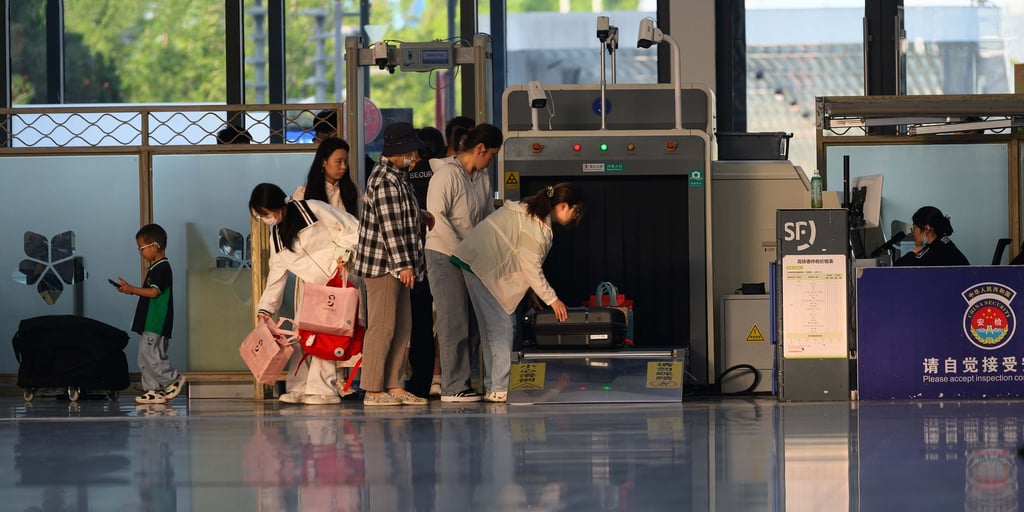
Power banks are a frequent source of questions at airport security. The rules are simple once you know the logic: spare batteries stay with you in the cabin, and devices in the hold must be completely off.
Can you pack lithium batteries in checked baggage?
Spare batteries and power banks cannot go in checked baggage. International dangerous goods guidance treats a power bank as a spare lithium battery, so it must be carried in cabin baggage. The IATA lithium battery fact sheet states that power banks are forbidden in checked baggage, and the Australian regulator CASA also lists them as carry-on only.
In India, the DGCA issued a dangerous goods advisory circular on lithium batteries carried by passengers and crew, which news outlets reported in early January 2026. Those reports do not give the circular’s exact issue date, and some coverage dates a DGCA circular to November 2025, so check dgca.gov.in for the original text. News reports on it say power banks and spare batteries are permitted only in hand baggage. Airlines are expected to announce the rules onboard and report battery incidents to the DGCA.
Did you know? The reason is practical. A battery that overheats in the cabin can be spotted and dealt with by the crew, while a problem in the hold is much harder to reach.
What are the Wh limits for power banks and spare batteries?
Capacity is measured in watt-hours (Wh), not mAh. The usual tiers, as described by aviation regulators and travel publications, are:
- Up to 100 Wh: generally carried in the cabin without special approval.
- Above 100 Wh and up to 160 Wh: usually needs approval from the airline before you fly.
- Above 160 Wh: not permitted on passenger aircraft.
Each spare battery should be protected against short circuits, for example in a pouch, in its original packaging, or with the terminals taped. Some airlines also limit how many spare batteries or power banks you can carry, so check your airline’s own policy.
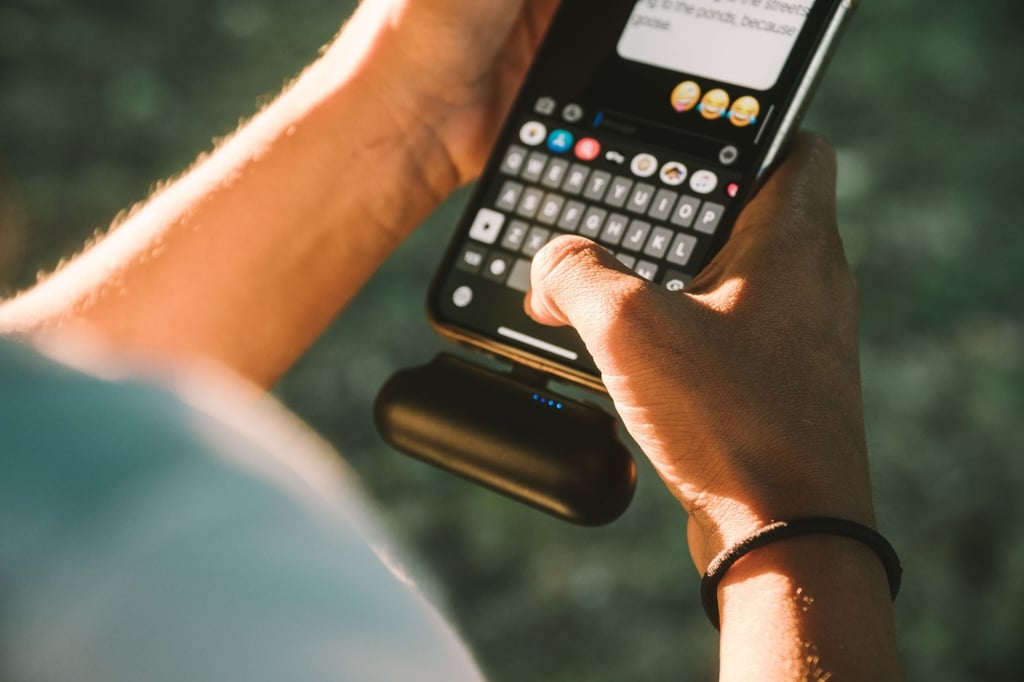
How do you convert mAh to Wh?
The Wh figure should be printed on the power bank. If only mAh and volts are shown, multiply the capacity in amp-hours by the voltage. For example, a 10,000 mAh pack rated at 3.7 V works out to 10 Ah x 3.7 V, which is 37 Wh. Security staff may remove a power bank whose rating cannot be read, so choose one with clear labelling.
What about laptops, cameras and phones in checked bags?
Devices with batteries installed are treated differently from spares. Guidance from IATA and ICAO says that if a device must go in checked baggage, it should be protected from damage and accidental activation and be completely switched off, not in sleep or hibernation mode. The FAA gives the same advice and recommends keeping phones, tablets, cameras and laptops in accessible carry-on baggage where possible.
Practical habit: keep every device with a battery in your cabin bag if you can. Fully power down anything that does go in the hold, and pack it in a padded case.
What did the DGCA circular change for power banks in the cabin?
News reports on the DGCA circular describe three points for the cabin:
- Power banks and spare batteries should not be stored in overhead bins.
- Power banks may not be used to charge phones or other devices during the flight.
- Power banks may not be charged from the aircraft’s in-seat power supply.
Keep your power bank on your person or under the seat in front rather than in the overhead bin, and tell the cabin crew straight away if any device gets hot, smokes or smells unusual. Individual airlines may add their own conditions, so read your airline’s baggage page before you fly.
Common Questions
Can I put a power bank in my checked bag if it is a small one?
No. Size does not change the rule. A power bank is a spare battery and must travel in cabin baggage. Capacity only decides whether you need airline approval.
What if my cabin bag is checked at the gate?
Take the power banks and spare batteries out first and keep them with you. Regulators such as the FAA give the same instruction when a carry-on bag is checked planeside.
Can I use my power bank during a flight in India?
According to reports on the DGCA circular, you should not use a power bank to charge devices in flight, and you should not charge it from the seat power. Check your airline for any additional rules.
Can I carry a damaged or swollen battery?
No. Batteries that are known or suspected to be damaged or defective are not permitted on aircraft, in cabin or checked baggage.
What about luggage with a built-in power bank?
IATA treats power banks fitted in smart luggage as spare batteries that must be in carry-on. If the battery cannot be removed, ask your airline before you travel, because the bag may not be accepted as checked luggage.
Do I need approval for a 120 Wh battery?
Batteries between 100 and 160 Wh usually need airline approval in advance. Contact the airline before you come to the airport.
Ready to plan your trip? Search and compare flights on HappyFares, with zero convenience fee on domestic bookings, price alerts, and Meera the AI assistant to help you find the right flight.
Rules and fees change, so please verify current specifics with your airline, the DGCA or the airport before you travel.

