
Yes. DGCA’s rules on carriage of passengers with disability or reduced mobility say airlines should not refuse a passenger or their assistive devices, and they say assistive devices should not cost extra. Tell your airline about your needs well before the flight, because assistance and equipment handling are arranged by the airline, not by the site where you book.
Updated October 2026 · HappyFares
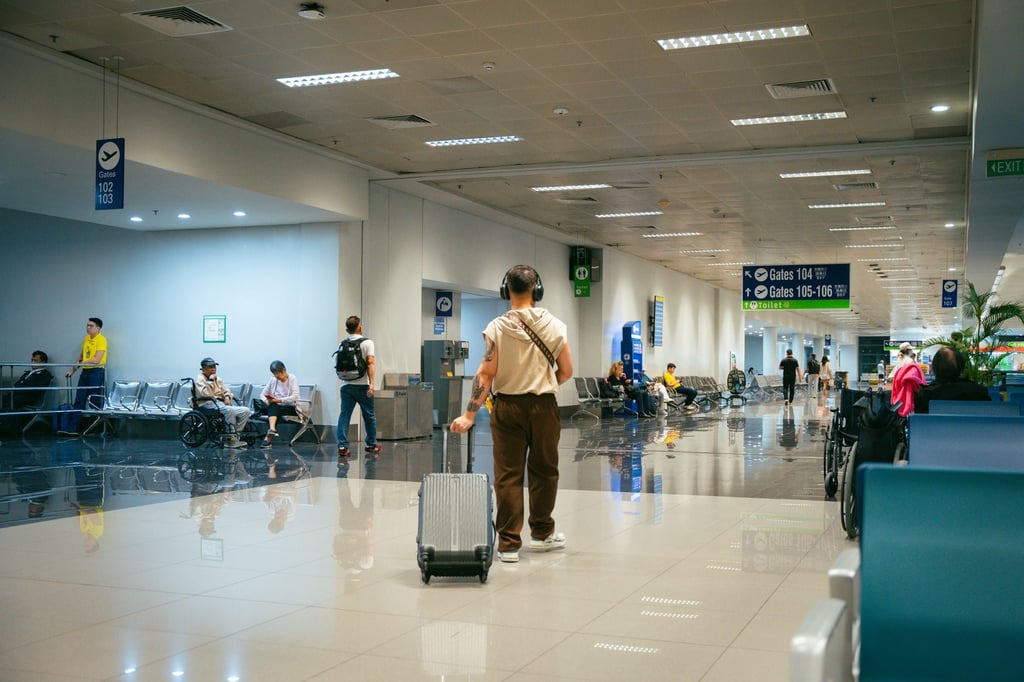
If you walk with a stick, use crutches or fold a wheelchair into a car boot, you may wonder how it all works at the airport. Here is the practical picture for domestic flights.
What do the DGCA rules say about mobility aids?
The Directorate General of Civil Aviation (DGCA) covers this in its Civil Aviation Requirement on the carriage by air of persons with disability and persons with reduced mobility (CAR Section 3, Series M, Part I). We could not open the current official PDF directly, so the points below come from the CAR text as reproduced by a disability-access website. The CAR has been revised more than once, so confirm the latest wording with DGCA or your airline.
- No airline should refuse to carry a person with a disability or reduced mobility, and the same applies to the aids they need, provided the airline has been told at booking.
- Mobility equipment and assistive devices can be carried by the airline in the cabin or in the aircraft hold.
- Assistive devices should be provided without any extra cost, and airlines should allow carriage of assistive devices free of charge as additional baggage, subject to aircraft limits. Battery-powered wheelchairs are subject to dangerous goods rules, so tell the airline in advance.
- Assistance from the terminal to the aircraft is to be provided without additional expense to the passenger.
In plain terms: a walking stick, crutches or a foldable wheelchair should not eat into your baggage allowance or attract a fee. If an airline quotes you a charge for one, ask it to point to its policy.
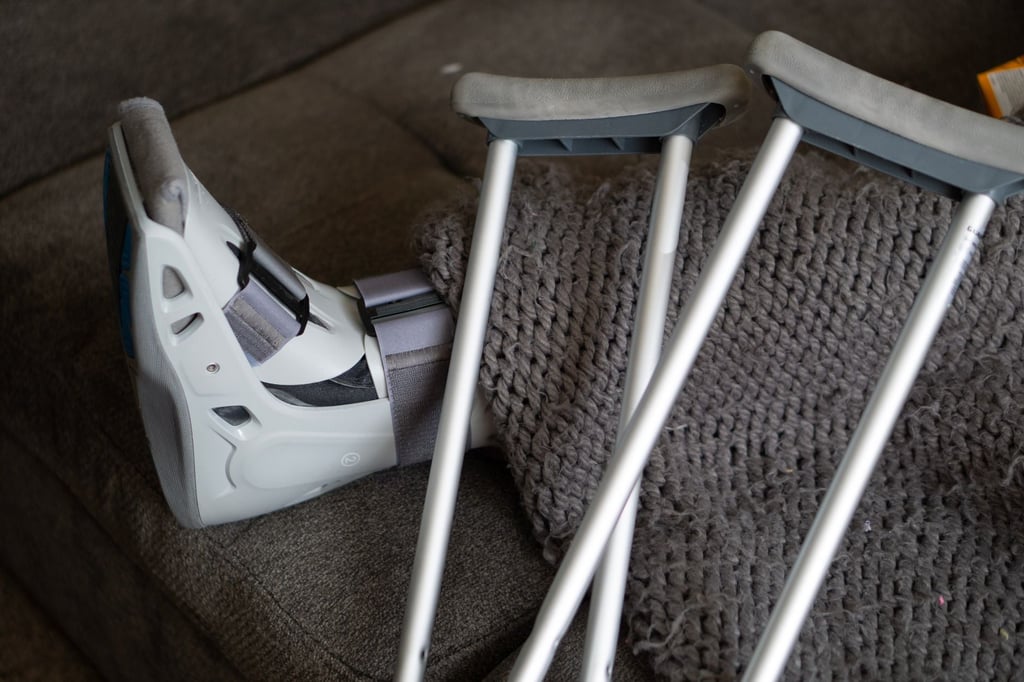
Can you take a walking stick or crutches into the cabin?
The CAR text we saw refers to equipment carried in the cabin or the hold, but it does not say which items go where. In practice, a light walking stick or a pair of crutches is usually kept with the passenger, and airlines decide how bulkier equipment is handled. If you need the aid right up to your seat, say so when you contact the airline.
A foldable wheelchair is usually used up to the aircraft door and then stowed by the crew, as the CAR text notes that a passenger’s own wheelchair may be used up to the aircraft. Ask the airline how it will tag and return yours, and carry any small removable parts, such as cushions, in your hand baggage.
How are canes and crutches screened at security?
The DGCA CAR we reviewed does not set out a screening procedure. Security checks are run by the airport security force under rules from the Bureau of Civil Aviation Security (BCAS). We did not find an official statement specific to canes and crutches, so the following is general expectation, not a rule: officers may need to examine a metal stick or crutch by hand or pass it through the scanner, and you may be offered a seat or an alternative while this is done.
Did you know that a metal walking stick can set off a metal detector just like keys do? Telling the officer what it is as you approach makes the check quick and polite. You are entitled to ask for help or a seat if you need one.
How do you request assistance, and how early?
Assistance is requested from the airline you are flying, through its website, app or customer care. The CAR text we saw asks passengers to notify their needs at least 48 hours before scheduled departure, although it also says airlines should make all reasonable efforts for emergency travel. Do it as soon as your booking is confirmed so the airline can record the request.
- Say which aid you carry (stick, crutches, folding wheelchair, walker) and whether you need it up to the aircraft door.
- Say whether you need help from the check-in counter to the gate, and from the aircraft to the arrival exit.
- Check at the counter that the request appears against your name.
Airline specifics, such as how IndiGo, Air India or Akasa handle personal mobility equipment, are set out on each airline’s own pages. We could not load those pages when checking, so confirm the details directly with your airline.
Common Questions
Are walking sticks and crutches counted in my baggage allowance?
The DGCA CAR text we saw says airlines should allow assistive devices as additional baggage free of charge. Confirm with your airline when you request assistance.
Can I take my own folding wheelchair?
Generally yes. Tell the airline at booking. Your own wheelchair may be used up to the aircraft and then stowed.
Does HappyFares arrange wheelchairs or special assistance?
No. HappyFares sells flights only. Assistance is requested from the airline you fly with.
Will my cane go through the X-ray?
It may be scanned or examined by hand. Tell the officer what it is and ask for a seat if you need one.
How early should I tell the airline?
The CAR text we saw says at least 48 hours before departure, with reasonable efforts for emergencies. Earlier is better.
Can an airline refuse me because of a disability?
The CAR says airlines should not refuse carriage on the basis of disability. Refusal is tied to a medical opinion on fitness to fly and should be explained in writing.
Ready to book? Search and compare flights on HappyFares, with zero convenience fee on domestic bookings, then contact your airline with your assistance request. Meera, our AI assistant, can help you find the right flight.
Rules and fees change; verify current specifics with the airline, DGCA or the airport before you travel.

