
Protein powder and supplement tablets are generally allowed on flights in India, in both cabin and checked baggage, but screeners can ask you to open a tub or put it through the scanner separately. Ready-mixed shakes and liquid supplements follow the liquids rule. For flights into the US, large powder quantities in carry-on can need extra screening.
Updated October 2026 · HappyFares
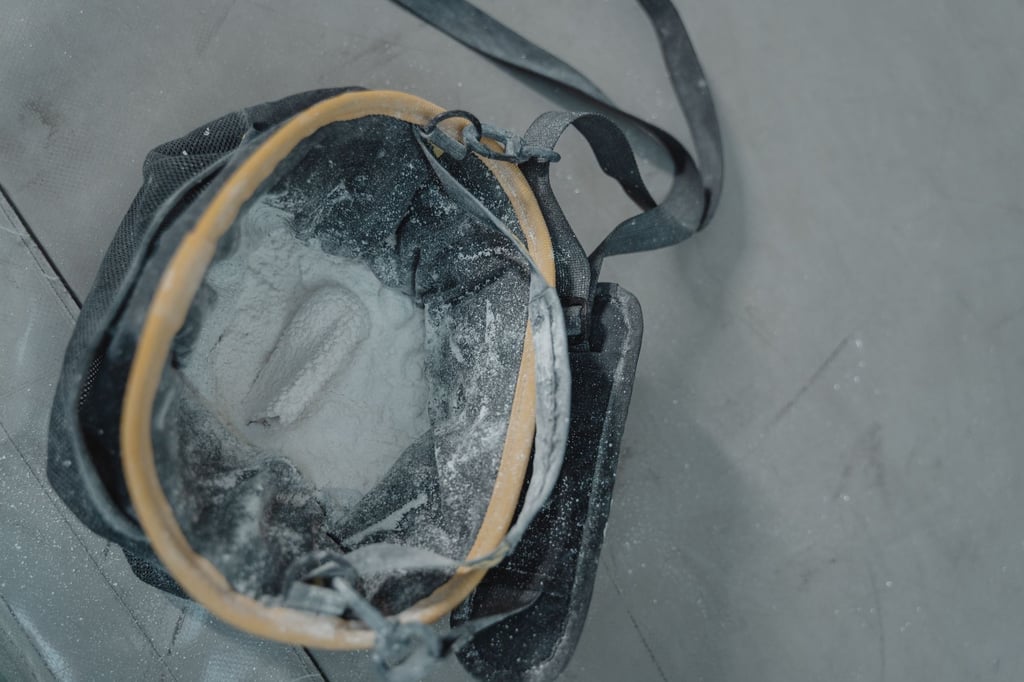
Whey tubs, plant-based protein, creatine and vitamin tablets are common in gym bags. They are not banned items, but the way you pack them decides how smooth screening is. Here is the practical picture.
Can I carry protein powder in cabin baggage in India?
In general, yes. Protein powder is a food supplement, not a dangerous good, and Indian airports do not usually treat it like a banned item. The part that causes trouble is not the powder itself but what a screener sees on the X-ray monitor. A dense tub of powder can look unclear on the scan, and the security officer may ask you to take it out of the bag, open it, or put it in a tray on its own.
To keep it simple, use the original sealed container with the label intact. A clearly labelled tub from the manufacturer raises fewer questions than powder poured into an unmarked bag. Carry only what you need for the trip; a half-kilo of loose powder in a plastic bag is more likely to be questioned than a labelled sachet pack.
Note that powdered spices are treated separately. The BCAS indicative list reproduced on Kannur airport’s security page includes “all spices in powder or physical form including chilly” among items prohibited in cabin baggage. Protein powder is not a spice, but it is a reminder that screeners look hard at powders, so a labelled, sealed pack helps.

Do the liquid rules apply to shakes and liquid supplements?
Yes. Anything that is a liquid, gel or paste falls under the cabin limit for liquids, which at Indian airports is generally 100 ml per container, packed in a transparent resealable bag. That covers ready-to-drink protein shakes, liquid vitamins, gel energy packs and syrups. Dry powder is not a liquid, so a tub of powder is judged differently from a bottle of shake.
The simple fix is to carry the powder and mix your shake after you pass security. An empty shaker bottle is normally fine in the cabin. Fill it with water once you are airside, using a water refill point.
Are supplement tablets and capsules allowed?
Tablets and capsules are generally fine. Keep them in the original strip or bottle with the label, because that makes any question quick to answer. If a product is a prescription medicine rather than an over-the-counter vitamin, keep a copy of the prescription with it. Carry them in your cabin bag rather than in checked baggage, so a delayed or lost suitcase does not leave you without them.
Did you know that sealed pouches and tubs can swell a little in flight? Cabin pressure is lower than at ground level, so a bag of powder that was flat at home can look puffed up in the air. Press out excess air before sealing and the pack will travel better.
How should I pack supplements for a trip?
Think about how much you will actually use. For a trip of a few days, decant only what you need into a small, clean, labelled container, or buy single-serve sachets. This reduces weight, avoids a bulky tub taking up space in your cabin bag, and makes the scan clearer. If you do decant, keep the original label or take a photo of it so you can show what the product is if asked.
Put the tub or sachets in a zip-lock bag, which also stops spills from reaching your clothes or electronics. If you travel with a large tub, choose checked baggage and wrap it in a plastic bag inside the suitcase. Keep your tablets and any medicines in your cabin bag so they stay with you.
Finally, leave a few minutes at the checkpoint. If a screener asks to open a tub, being calm and cooperative is the fastest way through.
What are the rules for powder on international flights?
Rules change by country. The US Transportation Security Administration (TSA) says that for flights from an international last point of departure to the US, powder-based substances in carry-on baggage greater than 350 mL (12 oz.) may require additional screening. Powder-like substances over that amount that cannot be cleared at the checkpoint will not be allowed into the cabin and will be disposed of. TSA recommends packing powders in checked bags, and says domestic US checkpoint rules have not changed.
So if you are flying from India to the US, a large tub is better in checked baggage. For other countries, check the rules of the destination and your transit airports. Customs rules on bringing supplements into a country also differ, and some countries restrict certain ingredients, so look up the destination’s customs page before you pack a large stock.
Common Questions
Do I need to take protein powder out of my bag at security?
Not always, but be ready to. Keeping it at the top of the bag makes it quick to remove if asked.
Can I put protein powder in my checked bag?
Yes, generally. Seal it well, preferably double-bagged, in case a lid cracks.
Are pre-mixed protein shakes allowed?
They are liquids, so in cabin baggage they follow the liquids limit. Larger bottles belong in checked baggage.
Is creatine or pre-workout powder treated differently?
Generally the same as protein powder, but a screener can ask to inspect any powder.
Do I need to declare supplements at customs?
It depends on the country and the quantity. Check the customs rules of your destination before you travel.
Will an airline charge extra for a tub?
Airlines do not normally list a separate charge for a personal supply, but in checked baggage the tub’s weight counts towards your allowance. Check your airline’s baggage page.
Flying soon? Compare flights on HappyFares with zero convenience fee on domestic bookings, and add travel insurance at checkout if you want extra peace of mind.
Rules and fees change. Verify current specifics with your airline, BCAS, the airport or the destination country’s authorities before you travel.

