
Oxygen masks drop from the panel above your seat automatically if cabin pressure falls too far. Pull one toward you, put it over your nose and mouth, secure your own mask first before helping anyone else, and breathe normally. The mask does not supply oxygen for the whole flight. It keeps you alert while the pilots descend to an altitude where the air is breathable.
Updated October 2026 · HappyFares
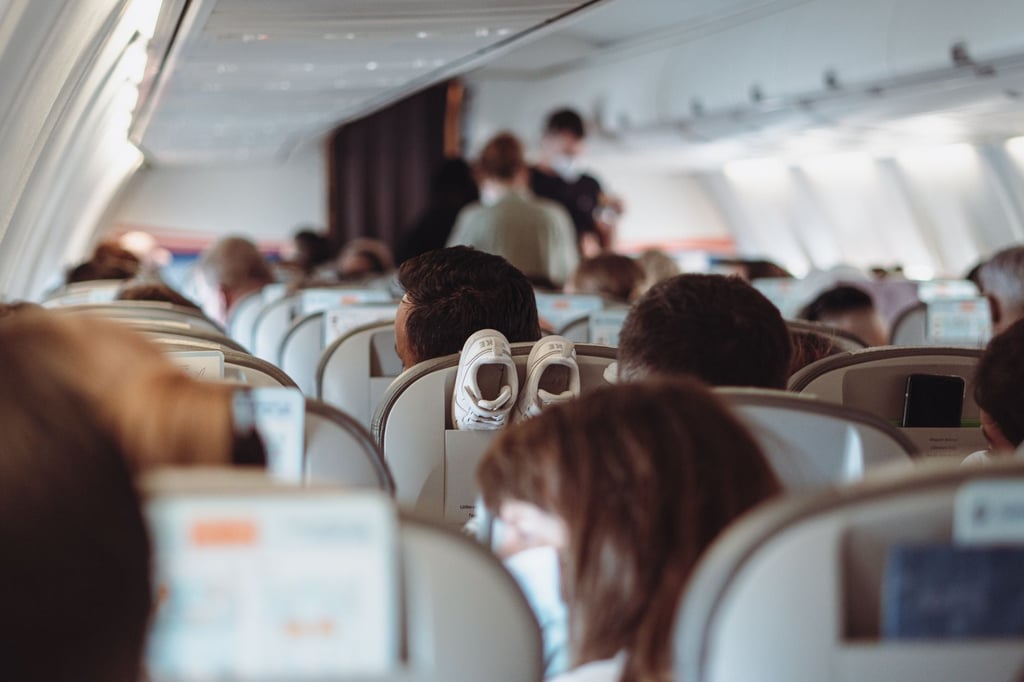
It is the part of the safety demonstration that most people watch with half an eye. It is worth knowing exactly what happens if the masks ever do drop.
Why do oxygen masks drop from the ceiling?
Aircraft cabins are pressurised. At cruising altitude the air outside is far too thin to breathe, so the aircraft holds the cabin at a much lower equivalent altitude. If that pressure is lost, because of a leak or a system failure, the amount of oxygen your body can take in drops, and the effect on the brain can come on quickly.
To protect you, the masks are designed to release automatically when the cabin altitude climbs past a set point. Reference sources describe the trigger as being at roughly 14,000 feet of cabin altitude, and aircraft rules require the masks to be presented before the cabin altitude passes 15,000 feet, so the exact point depends on the aircraft. You do not need to do anything for the panels to open.
Did you know? The word in the safety demonstration, “if needed”, is literal. Masks drop only when the cabin altitude warrants it, and most passengers never see this happen.
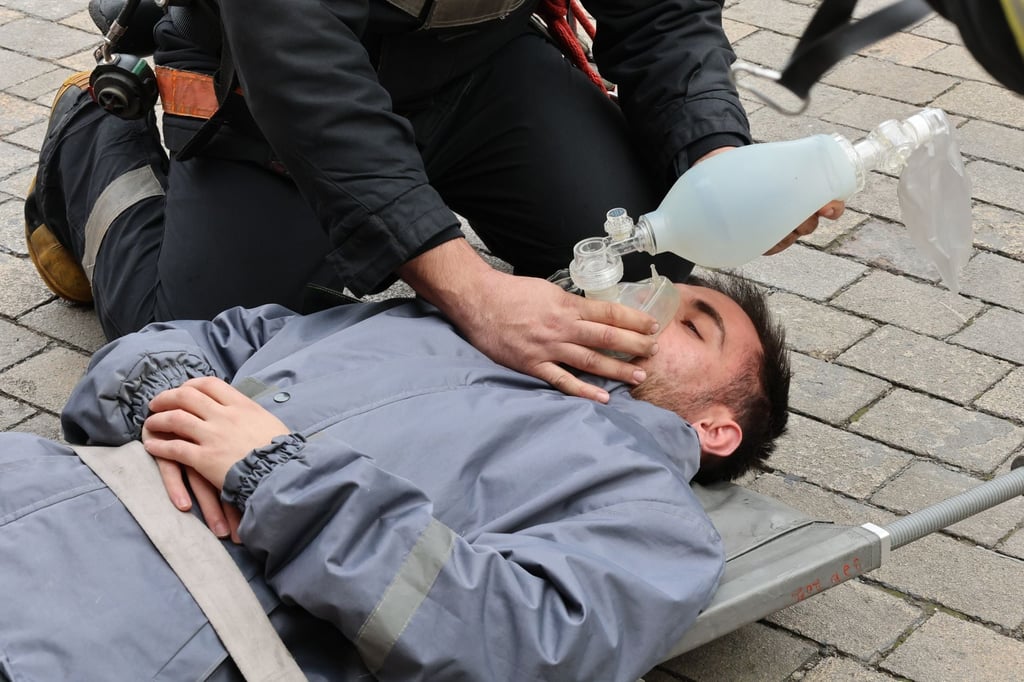
What should I do when the masks drop?
Follow the crew’s instructions and the safety card for your aircraft. In general, the steps are:
- Stop what you are doing and stay seated, with your seatbelt fastened.
- Pull the nearest mask toward you. This starts the oxygen flow.
- Place it over your nose and mouth and adjust the strap.
- Breathe normally.
- Only then help others, such as children or people who need assistance.
The instruction to fit your own mask first is not selfishness. If you lose consciousness from lack of oxygen, you cannot help anyone. Once yours is fitted, you can help the person next to you.
Why does the bag not inflate?
Passenger masks usually deliver oxygen continuously. The plastic bag attached to the mask is a reservoir, and it fills mainly while you breathe out. It may stay flat while you breathe in, and it may not look inflated at all if you are breathing quickly. That does not mean the mask is failing. Safety demonstrations say the bag may not inflate and that oxygen is flowing nevertheless, so keep the mask on and keep breathing normally.
Do not take the mask off because the bag looks flat. Keep the mask over both nose and mouth, not just your mouth.
How long does the oxygen last, and what are the pilots doing?
Passenger masks are supplied in most commercial jets by chemical oxygen generators, which produce oxygen for a limited time once started. The exact duration depends on the aircraft and the equipment, and we have not quoted a number here because we could not confirm one from a regulator or manufacturer. The supply is not meant to last the whole flight.
It does not need to. The mask is a bridge. SKYbrary, the aviation safety knowledge base, explains that at normal jet cruise altitudes the time a person stays usefully conscious after a rapid decompression can be under a minute. For that reason, the pilots put on their own oxygen masks and begin an emergency descent to a lower altitude, where passengers can breathe without extra oxygen. SKYbrary’s guidance for flight crews gives 10,000 feet or the minimum safe altitude, whichever is higher, as the emergency descent target.
You may feel the aircraft pitch down and descend quickly during this. That is expected and is the main protection. After levelling off, the crew will tell you what comes next, including whether the flight will land at a nearby airport.
How can I be better prepared before the flight?
You do not need special knowledge, just a little attention. When you board, look at the safety card in the seat pocket, which shows how the mask is fitted on your aircraft type. Watch the crew demonstration even if you have flown many times, because details differ between aircraft. If you travel with children or with someone who needs help, agree on the plan in advance: you fit your mask first, then help them.
During any event, staying calm helps more than anything else. Breathe normally, stay in your seat and wait for the crew to tell you what to do next. The crew are trained for this and the pilots are working the descent.
Common Questions
Do masks drop on every flight?
No. They deploy only if the cabin pressure falls past a set point. Most flights never use them.
Should I help a child first?
Put on your own mask first, then help the child. This is standard guidance, because you need to be conscious to help.
Why does the bag stay flat?
The bag fills mainly as you breathe out, and it may not look inflated. Oxygen still flows through the mask. Leave the mask on and breathe normally.
Will the oxygen last until we land?
It is not designed to. The oxygen buys time for the pilots to descend to an altitude where you can breathe the cabin air.
Should I take photos or use my phone?
No. Listen to the crew, secure your mask and follow instructions. Pay attention to the safety demonstration and card when you board.
Is it safe to fly?
Yes. Aircraft are built, maintained and operated with these systems and procedures in place, and a loss of cabin pressure is rare.
Planning your next trip? Search and compare flights on HappyFares, with zero convenience fee on domestic bookings and price alerts to help you book at a good moment.
Rules and fees change. Verify current specifics with the airline, DGCA or the airport before you travel.

