
If both flights are on one booking sold by an airline as a connection, the airline is generally responsible for getting you onward, and your bags are usually checked through. If you booked two separate tickets, each airline owes you only the flight you bought, so a missed second flight is typically your own risk. Check how your trip was booked before you plan the layover.
Updated October 2026 · HappyFares
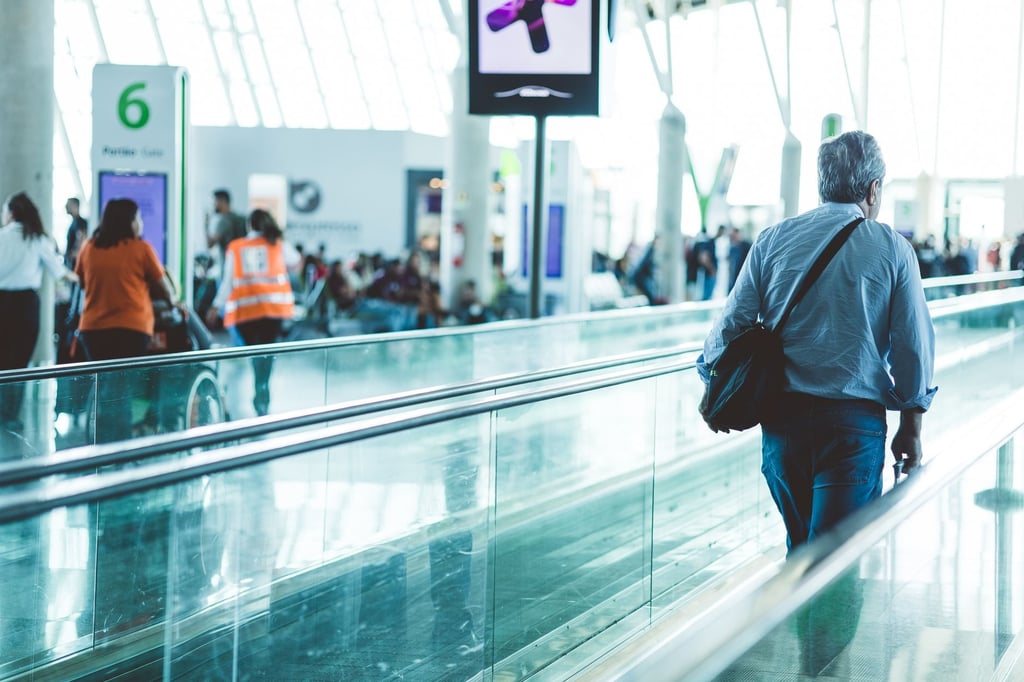
A late first flight and a tight layover is one of the most stressful travel moments. What happens next depends less on who is to blame and more on one detail: whether your flights sit on the same booking or on separate ones.
What is the difference between a single ticket and separate tickets?
A single ticket, usually under one booking reference (PNR), is a connection that an airline has sold to you as one journey. The airline knows you intend to change flights, so it treats the two legs as linked.
Separate tickets mean you bought each flight on its own, even if you did it in the same sitting and even if both flights are on the same airline. Each ticket is then a separate contract. This is often called a self-transfer, because you are responsible for making the connection yourself.
Separate tickets can look cheaper, which is why people choose them. The saving comes with a trade-off, and that trade-off shows up when something runs late.

What happens if you miss a connection on a single ticket?
When the connection is on one booking, the airline that sold it is generally the one that has to sort out the problem. India’s Passenger Charter, issued by the Ministry of Civil Aviation, is summarised in several sources as saying that a passenger who misses a connecting flight booked on the same ticket should be offered an alternate flight or a refund. The binding detail sits in the DGCA’s Civil Aviation Requirements on facilities to passengers for denied boarding, cancellations and delays (Section 3, Series M, Part IV), which are revised from time to time.
We have not quoted compensation amounts here, because we could not confirm the current figures from the DGCA’s own text, and older figures circulate widely. Read the current requirement on the DGCA website, or ask the airline to point you to it, if you want exact entitlements.
What you can generally expect on a single booking:
- The airline should offer an alternative flight or a refund, rather than treat you as a no-show.
- Meals and refreshments during long waits are covered by passenger facility rules, though airlines may withhold some facilities when the cause is outside their control.
- Your checked bag follows you to the onward flight in most cases.
Speak to the airline’s transfer or customer desk as soon as you land. Ask what the airline will do for you before you buy a new ticket yourself.
What happens on separate tickets?
On separate tickets the picture changes. Airlines commonly treat the second flight as unrelated to the first. If your first flight is late and you miss the second, the second airline can treat you as a passenger who did not turn up, and the first airline’s duty is to carry you to the destination on your first ticket, not to get you onto a flight you bought elsewhere.
In practice this often means:
- No automatic rebooking on the second flight.
- A new ticket at whatever the fare is on the day, if you want to continue.
- A refund of the second ticket that depends entirely on its fare rules, and low fares often have little or none.
Some people cover this with travel insurance, which can respond to missed connections under its own terms. Read the policy wording, since conditions differ.
What about your checked bags?
This is where booking type matters most. IndiGo’s baggage transfer page says its transfer benefits apply to connections that IndiGo sells on a single PNR. Self-created connections, and itineraries made of separate bookings, are treated differently and do not get those benefits. The page also says that for international connecting flights, checked baggage will be made available at the final destination.
It adds that at some domestic transit airports you may need to collect your bag and drop it again at the airline’s baggage drop, even when you continue on another flight with the same airline. This is allowed only for valid connections sold as a connecting flight on a single PNR.
On separate tickets, assume you will collect your bag at the connecting airport, check in again, and clear any required security steps. That takes time, so allow a generous layover.
Did you know that when two airlines have an interline agreement, they can issue one ticket and move bags between them? Without such an arrangement, which is the usual case when you book two tickets yourself, nobody is tracking your bag between flights.
How can you lower the risk?
- Prefer one booking for the whole journey when the price difference is small.
- If you must use separate tickets, leave a long gap, and avoid the last flight of the day.
- Choose a first flight that has a good record of departing on time, and avoid tight connections in the busy festival weeks.
- Travel with cabin baggage only, so you do not depend on bags being moved.
- Web check-in for both flights as early as allowed, and keep screenshots of your boarding passes.
- Keep every delay message and boarding record. They help with any later claim.
Remember that checking in is free, online or at the airport, so there is no cost to doing this early.
Common Questions
Does a single PNR guarantee the airline will rebook me?
It does not guarantee a particular outcome, but it places the responsibility on the airline that sold the connection. Each airline has its own procedures, so ask for a written record of what was offered.
Are my bags checked through to the final stop?
On a connection sold on a single booking, usually yes, although some domestic transit airports require you to collect and re-drop. On separate tickets, assume no, and plan to collect and re-check.
Can I claim compensation for a missed connection?
It depends on the cause and on the current DGCA requirement. We have not quoted amounts, because the figures have changed over time. Check the current text on the DGCA website.
What if the first flight is delayed on separate tickets?
Ask the first airline what it will provide for the delay itself, and contact the second airline early. Some will help, but there is usually no obligation to rebook you for free.
Is it safe to book separate tickets to save money?
It can work with a long layover and cabin baggage only. The risk grows with short gaps and checked bags, so weigh the saving against the cost of buying a new ticket if things go wrong.
Does it matter if both flights are on the same airline?
Yes. Two separate bookings on the same airline are still treated as separate bookings, as IndiGo’s baggage transfer page makes clear for baggage benefits.
Booking a trip with a change of flight? Search and compare flights on HappyFares, with zero convenience fee on domestic bookings, and consider travel insurance for the journey.
Rules and fees change. Verify current specifics with the airline, DGCA or the airport before you travel.

