
Yes, within limits. In cabin baggage in India, aerosols fall under the 100 ml per container rule for liquids, gels and aerosols. In checked baggage, the IATA dangerous goods rules (and the equivalent ICAO and national limits) allow toiletry aerosols up to 0.5 kg or 0.5 L per item and 2 kg or 2 L in total per passenger, with valves protected by a cap. Roll-on and stick deodorants are simpler.
Updated October 2026 · HappyFares

A can of deodorant is easy to pack, but it follows two different sets of limits depending on which bag it goes in. Here is how both work.
What is the limit for deodorant and aerosols in cabin baggage?
For cabin baggage, the Airports Authority of India’s passenger security page lists liquids, aerosols, gels and pastes among the flammable items that are restricted, and says each item should not exceed 100 ml. So a small travel-size spray of up to 100 ml is generally fine in your hand baggage, while a full-size 150 ml or 200 ml can is not.
The limit is per container, and the size printed on the can is what counts. A half-empty large can is still a large can. Rules on cabin items are set by the Bureau of Civil Aviation Security (BCAS) and applied at the checkpoint by airport security, and officers have the final say.
Did you know that aerosol cans are pressurised, and air pressure in the hold and cabin changes during a flight? That is one reason the rules for cans are stricter than for a plain bottle of lotion, and why the valve needs protection.
What are the limits for checked baggage?
The 100 ml rule applies to cabin baggage. For checked baggage, the International Air Transport Association (IATA) Dangerous Goods Regulations (the 68th edition, effective 1 January 2027, carries the same toiletry limits as earlier editions) allow non-radioactive toiletry articles, including aerosols such as hair sprays and perfumes, and non-flammable, non-toxic aerosols for sporting or home use, in checked baggage. The conditions are:
- The net quantity of each single article must not exceed 0.5 kg or 0.5 L.
- The total net quantity of all such toiletry articles and aerosols must not exceed 2 kg or 2 L per passenger.
- Release valves on aerosols must be protected by a cap or other suitable means to prevent inadvertent release.
IATA also notes that these provisions may be limited by state or operator variations, so passengers should check with their airline. An airline can be stricter than the IATA minimum.
What about roll-on and stick deodorants?
A stick deodorant is a solid, not a liquid or aerosol, so it is usually the easiest to carry in cabin baggage. A roll-on contains liquid or gel, so treat it like any other liquid and keep it to 100 ml or less in your cabin bag. Anything larger can go in checked baggage. Cream and gel deodorants follow the same logic as other gels and pastes.
If you want to avoid the question altogether, a solid stick or a small travel-size roll-on is a good choice for hand baggage.
Are flammable sprays allowed?
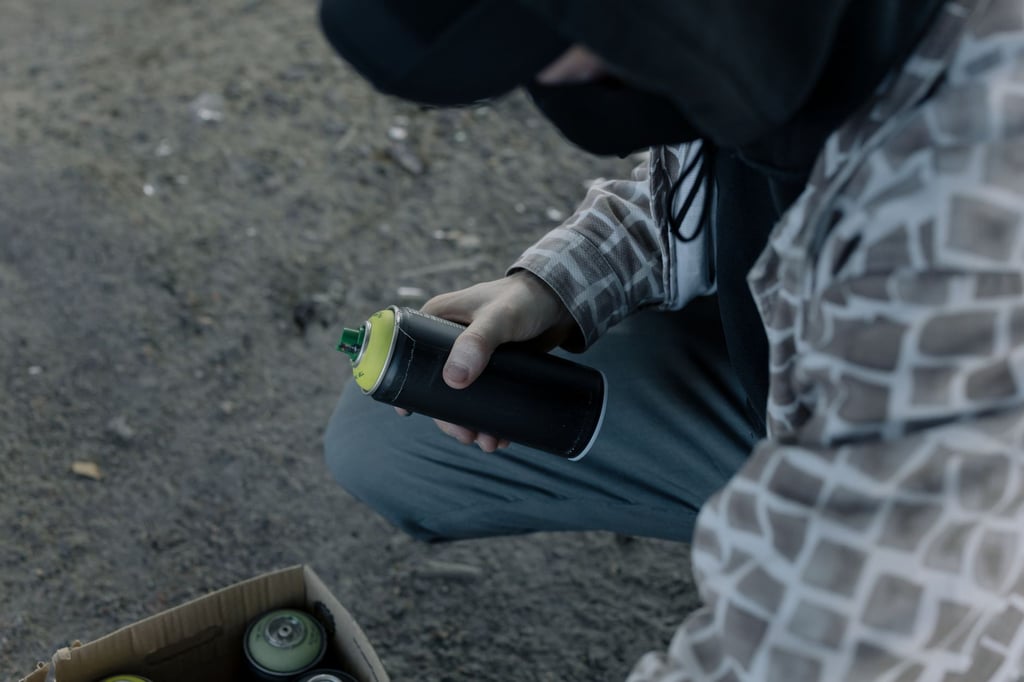
The IATA exemption we reviewed covers toiletry articles and non-flammable, non-toxic aerosols. Flammable aerosols that are not toiletries, such as spray paint or camping fuel, are not covered by it. The AAI page also lists spray paint among disabling chemicals, so leave such items out of your baggage altogether. If a product label shows a flame symbol or says “extremely flammable”, ask the airline before packing it. When in doubt, buy toiletries at your destination.
Why do aerosols have special rules, and how do you pack them?
Aerosol cans hold their contents under pressure, and many propellants are flammable. A can that is crushed, heated or left with its nozzle pressed can release its contents suddenly. The rules therefore limit how much each passenger carries, ask for a protected valve, and keep the biggest cans out of the cabin. Staying within the limits protects other passengers and the crew, and it avoids having a can taken from you at security.
Simple packing habits help:
- Keep the cap on and, if the can has a lock or safety tab, engage it.
- Put cans in a sealed plastic bag in case of leaks, away from heavy items that could press the nozzle.
- Add up the volume of all your toiletry aerosols if you carry several, so your total stays under the checked-baggage limit.
- Keep your cabin liquids together in a clear pouch that you can pull out quickly at the checkpoint.
Common Questions
Can I carry a 150 ml deodorant spray in hand baggage?
No. The cabin limit is 100 ml per container for aerosols. Put the larger can in checked baggage, within the IATA limits.
How many deodorant cans can I put in checked baggage?
Each article can be up to 0.5 kg or 0.5 L, and the total of all toiletry aerosols and similar items must stay within 2 kg or 2 L per passenger.
Is a roll-on deodorant allowed in cabin baggage?
Yes if it is 100 ml or less, as it counts as a liquid or gel. Larger roll-ons belong in checked baggage.
Are stick deodorants allowed?
Generally yes, as they are solids. Officers can still ask to inspect them.
Do I need to cap my aerosol cans?
Yes. IATA requires that release valves are protected by a cap or other suitable means.
Can an airline refuse my spray even if it is within the limits?
Yes. IATA says operators may apply their own variations, so check with your airline if in doubt.
Packing for a trip? Search and compare flights on HappyFares, with zero convenience fee on domestic bookings, and let Meera, our AI assistant, help you find a good flight.
Rules and fees change; verify current specifics with the airline, BCAS or the airport before you travel.

