
You can carry contact lenses, lens solution and eye drops in your cabin bag on Indian flights. Liquids are generally limited to 100 ml per container, packed in one clear resealable bag. Medicines needed during the journey are treated more flexibly, and you may be asked for proof such as a doctor’s note. Carry spare lenses and glasses in the cabin, never in checked baggage.
Updated October 2026 · HappyFares
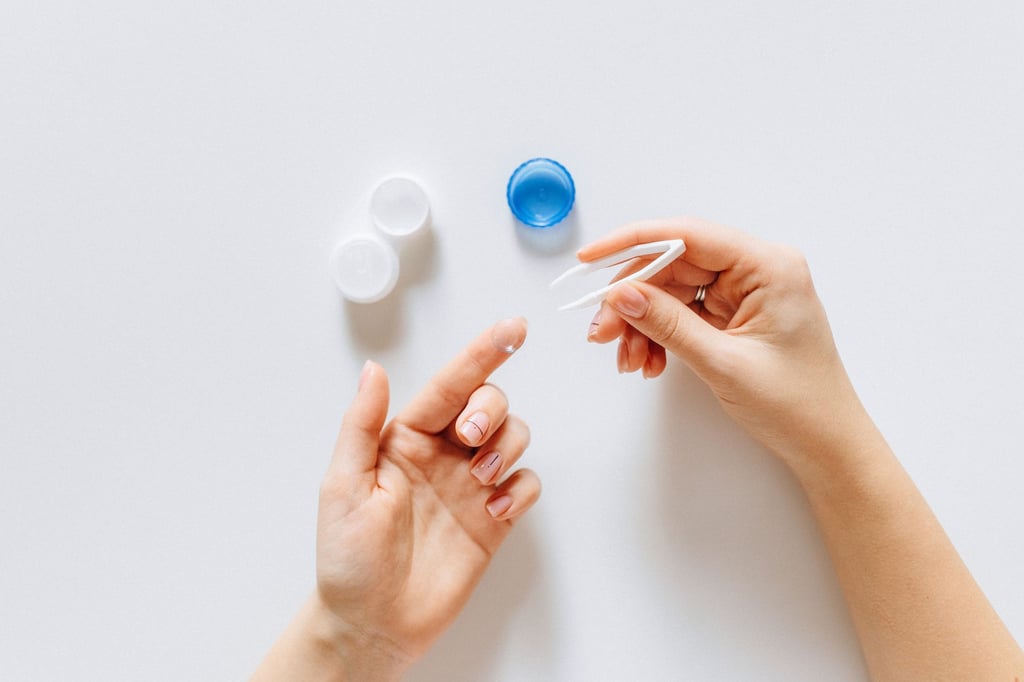
Eye care items sit in an awkward spot between toiletries and medicine. Here is how the rules treat each one and how to pack so security takes seconds.
Can I carry contact lenses on a flight in India?
Yes. Contact lenses themselves are not liquids and are not on the cabin prohibited lists published by airports and airlines. Lenses in their sealed blister packs or a lens case go through the X-ray like any small personal item. The part that needs thought is the solution that keeps them moist.
Keep your lenses, a spare pair and your glasses in the cabin bag. Checked baggage can be delayed or misplaced, and you do not want to land without a way to see. Glasses are also worth having if you plan to sleep, since lenses and sleeping on board do not mix well.
How does the 100 ml rule apply to lens solution?
Lens solution is a liquid, so the general cabin rule applies. An airport security page that refers passengers to the Bureau of Civil Aviation Security (BCAS) says liquids may only be carried in containers of no more than 100 ml each in hand baggage, placed in one clear resealable bag, with one such bag per passenger. Akasa Air’s conditions of carriage state the same 100 ml per container limit and the transparent resealable bag of up to one litre.
The container size is what counts, so a large bottle that is nearly empty is still a large bottle. Our guide to the 100 ml liquids rule in India explains how this works at the checkpoint.
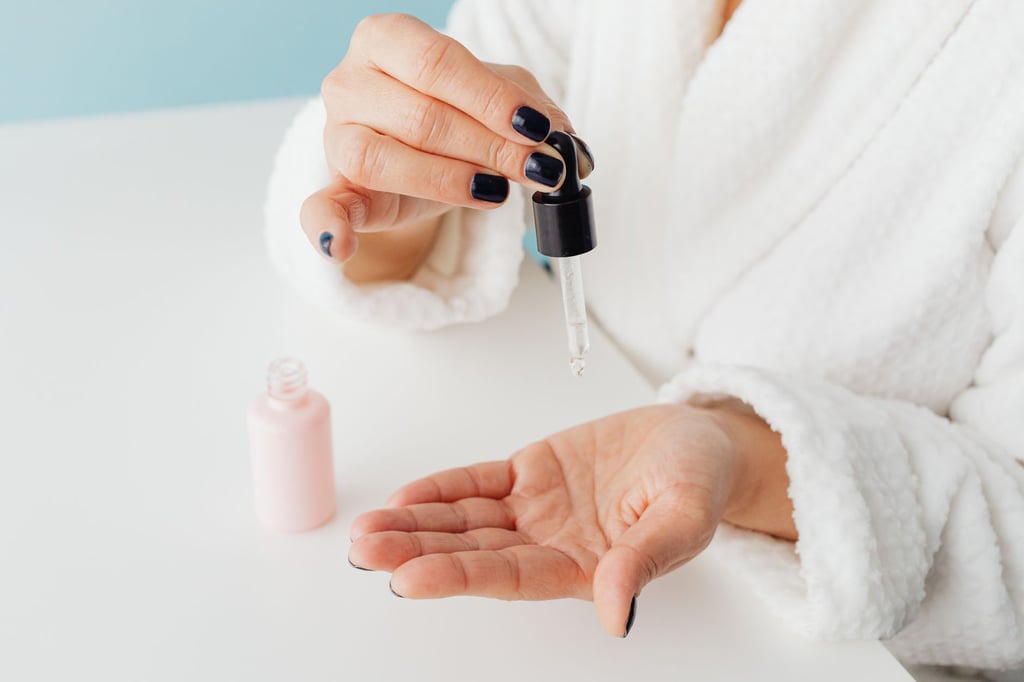
- Buy or decant solution into a travel-size bottle of 100 ml or less.
- Put it in the clear bag with your other toiletries, near the top of the cabin bag.
- If you are away for a long trip, keep the full-size bottle in checked baggage, sealed and wrapped.
Are eye drops treated as medicine?
Prescription or medicated drops are medicine, and airlines handle medicine differently from toiletries. Air India’s restricted items page says medicines over 100 ml in total, prescribed or over the counter, may be acceptable for domestic passengers if they are needed during the journey, and that proof of authenticity must be shown when security asks. IndiGo’s dangerous goods page recommends keeping medication in cabin baggage, so check its page or ask the airline about prescription paperwork. Akasa Air’s baggage page lists medicines needed onboard among permitted cabin items, but its published pages do not state a clear rule for amounts above 100 ml, so ask the airline if your quantity is large.
Mumbai airport’s FAQ (an older page, so check it is still current) gives a useful pattern: medicine in containers under 100 ml can go in a transparent bag and be screened with your hand luggage, and for larger amounts, carry a letter from your doctor and show it at security. Over-the-counter lubricating drops are usually small bottles anyway, so they fit the ordinary limit. Whether plain lens rewetting drops count as medicine is for the security officer to decide, which is why a small bottle is the safe choice.
Keep drops in their original box or with the pharmacy label, and tell the officer at the checkpoint that they are medicine. It speeds things up.
What should I do about dry eyes in the cabin?
Did you know? The UK Civil Aviation Authority notes that humidity in an aircraft cabin is far lower than in a typical air-conditioned building, and that dry eyes after flying are a common complaint. Its suggestions include lubricating eye drops and taking lenses out before sleeping on board. Other health bodies suggest glasses instead of lenses on long flights.
Practical steps that follow from that:
- Pack lubricating drops in a small bottle and keep them within reach, not in the overhead bin.
- Close or aim away the air vent above your seat so it does not blow on your face.
- Drink water, and go easy on caffeine and alcohol, which can make dryness worse.
- If you have chronic dry eye, ask your eye doctor which drops suit a long flight.
What is the best way to pack everything?
Use a small pouch for the eye kit: lens case, spare lenses, a travel-size solution bottle, drops, and a mini mirror. Put the solution and drops in the clear liquids bag. Keep the glasses in a hard case. Carry a printed prescription or a photo of it on your phone, particularly if your drops are prescription-only.
For a trip longer than a week or two, pack extra daily lenses rather than extra solution. Daily disposables avoid the liquid problem entirely, and a few pairs weigh almost nothing.
Common Questions
Can I take a full-size bottle of lens solution in my cabin bag?
Generally not. Liquids in cabin baggage are limited to 100 ml per container. Put a larger bottle in checked baggage, or decant a small amount into a travel bottle.
Do I need a prescription for eye drops on a domestic flight?
For prescription drops, carry the prescription or a doctor’s note, since airlines may ask for it. Ordinary lubricating drops in a small bottle usually need no paperwork.
Can I wear contact lenses during the flight?
Nothing stops you, but the dry cabin air can irritate eyes. Many eye-care sources suggest glasses for long flights, and removing lenses before you sleep.
Should I put contact lenses in checked baggage?
Better not. Keep lenses, spares and glasses in the cabin bag so a delayed suitcase does not leave you without vision correction.
Will lens solution be taken away at security?
Only if the container is over the limit or does not fit in the clear bag. A small bottle packed properly normally passes without comment.
Is a medicine exception guaranteed?
No. Airlines word their medicine rules differently, and the officer at screening decides on the day. A doctor’s note and the original packaging make it much easier.
Planning your next trip? Search and compare flights on HappyFares, with zero convenience fee on domestic bookings, and set a price alert so Meera, our AI assistant, can watch the fare for you.
Security rules and airline policies change and can vary by airport. Verify current specifics with your airline, the Bureau of Civil Aviation Security or the airport before you travel, and ask your doctor about medical needs.

