
Carry an empty reusable bottle in your cabin bag, pass it through security empty, and fill it from a drinking-water point on the airside, after screening. Indian airports generally restrict liquids in cabin bags to small containers, so a full bottle is usually stopped. Aircraft cabin air is very dry, so sip water steadily through the flight.
Updated October 2026 · HappyFares
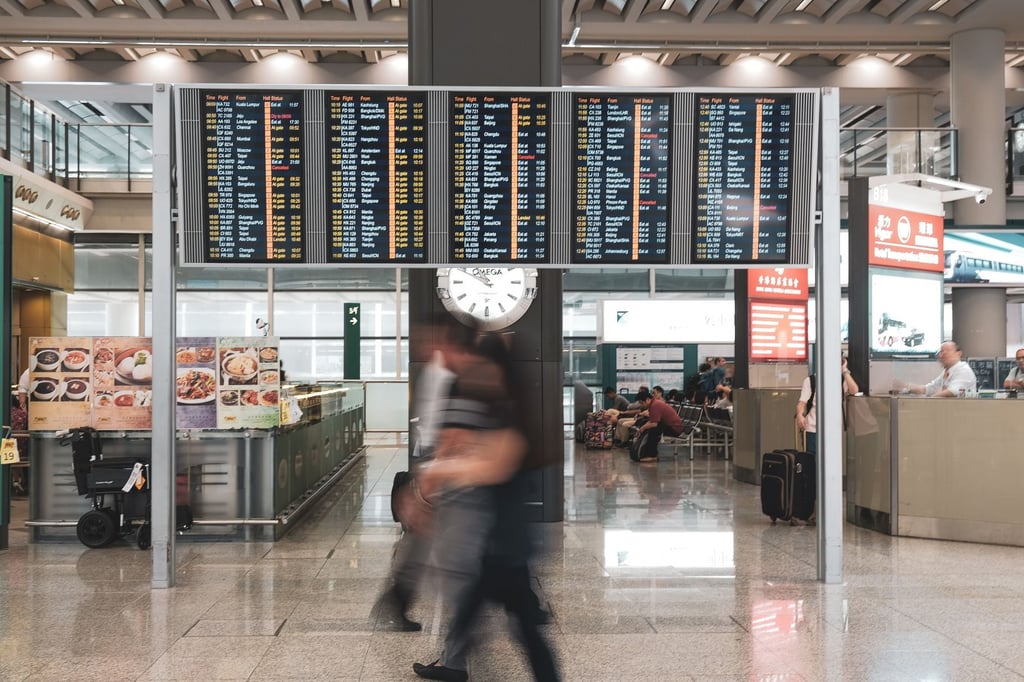
Most travellers know the awkward moment at the security belt: a half-finished bottle goes into the bin. There is a simpler way to arrive at your seat with water in hand.
Can I carry an empty water bottle through security in India?
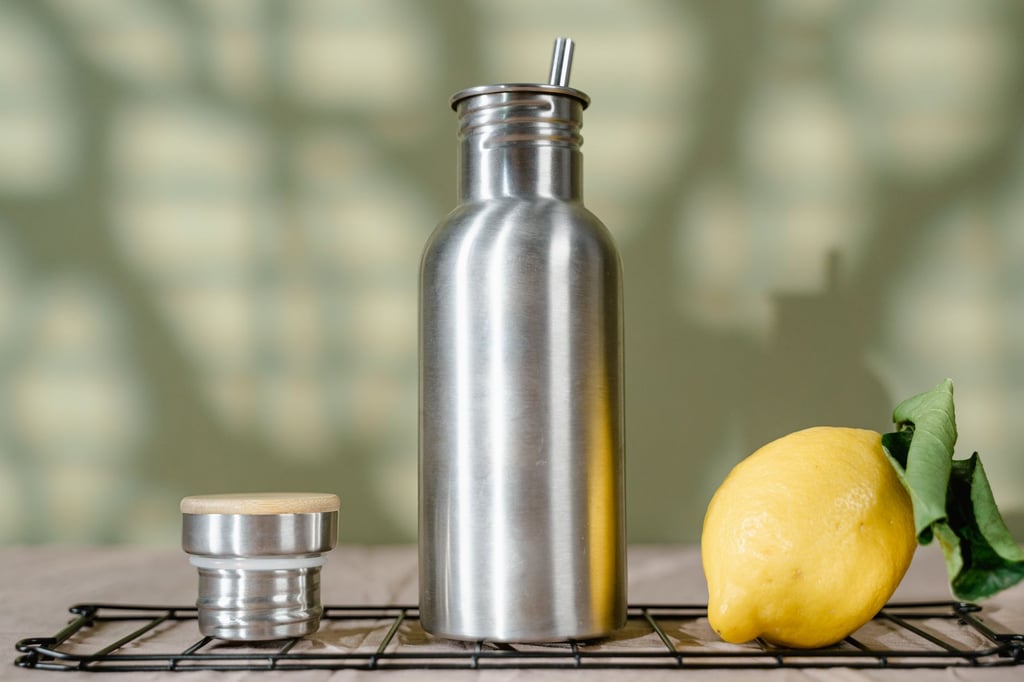
In general, yes. The restriction on liquids in cabin baggage applies to the liquid, not to the container. An empty bottle, whether steel, plastic or collapsible, is normally allowed through the X-ray screening. Keep it genuinely empty: even a small amount left inside can lead a security officer to ask you to pour it out.
Airport security in India is handled by the Central Industrial Security Force (CISF) at most major airports, working under the guidelines of the Bureau of Civil Aviation Security (BCAS). Individual screening officers have discretion, so be ready to open the bottle and show it is empty. The exact container size limit is set by the security rules and your airline’s baggage page, so confirm it there before you travel.
Why is a full bottle usually stopped at the checkpoint?
Cabin baggage rules at Indian airports generally limit liquids, gels and aerosols to small containers. Indian airlines’ own baggage pages carry the same kind of restriction, and a typical water bottle is far larger than the permitted size. A larger bottle that is only partly filled is generally still treated as a large container.
Exceptions usually exist for items such as baby milk and prescribed liquid medicines, but the details vary, so check with your airline in advance if you are carrying these.
Where can I refill a bottle at an Indian airport?
Once you are through screening, you are airside, and that is where refill points are found. Many larger Indian airports have free drinking-water stations in the departure area, often near washrooms rather than right at the gates. Smaller airports may have fewer of them, and the layout differs from terminal to terminal.
- Fill the bottle as late as you reasonably can, close to your gate, so it is still cool when you board.
- If you cannot find a water station, ask at an airside shop or food counter whether they can fill your bottle or sell you a sealed bottle.
- If a station looks out of order, ask airport staff for the nearest working one.
Water bought after security is allowed on board, so a sealed bottle from an airside shop is a good fallback.
Why does flying leave you feeling dry?
Cabin air is very low in humidity. Part of the cabin air comes from outside the aircraft, and at cruising altitude that outside air holds almost no moisture. The result is the familiar dry nose, scratchy throat, tight skin and tired eyes after a few hours in the air.
Health writers disagree about how much of this is true whole-body dehydration and how much is simply dryness of the nose, mouth and eyes. Either way, drinking water regularly makes a flight feel more comfortable, and it costs you nothing to do it.
How do I stay hydrated during the flight?
- Sip small amounts through the flight instead of drinking a lot at once.
- Have a drink of water before boarding, then refill the bottle if there is a chance to do so.
- On short domestic flights, cabin crew service may be limited by flight time, so your own bottle means you are not waiting for the trolley.
- Use lip balm, a light moisturiser and saline nasal drops if you are prone to dryness. Small tubes are fine, but keep liquids and creams within the airline’s size limits.
- Go easy on tea, coffee and very salty snacks if they leave you feeling parched.
On very short flights you may not need to drink much at all. On longer flights, especially overnight ones, a steady supply matters more. If you have a medical condition that affects how much fluid you should drink, follow your doctor’s advice.
Common Questions
Can I take a steel bottle on a domestic flight in India?
Yes, as long as it is empty when it goes through screening. Metal bottles are usually fine in cabin baggage, though you may be asked to open one.
Can I carry water in my check-in bag?
Liquids in checked baggage follow different rules from cabin bags, but they are still subject to the airline’s baggage and dangerous goods policies. Check your airline’s page if you plan to pack a large amount of liquid.
Can I buy water after security and take it on board?
Yes. Water bought on the airside, after screening, can normally be carried onto the aircraft.
Is there a charge to refill a bottle at the airport?
Free drinking-water points are common at larger Indian airports, though availability varies. It is worth locating one soon after you clear security.
Will cabin crew refill my bottle?
Crew may help if they are not busy, but it is not guaranteed. On a short flight it is better to arrive with your bottle already full.
Should I drink more water on a short flight?
Not necessarily. On a short hop a few sips are usually enough. It matters more on longer or overnight flights, and anyone with a medical condition should follow their doctor’s advice.
Planning your next trip? Search and compare flights on HappyFares, with zero convenience fee on domestic bookings and price alerts to help you book at the right time.
Security rules and baggage policies change. Please verify current specifics with your airline, the Bureau of Civil Aviation Security or the airport before you travel.

