
Yes, in general you can carry dry fruits and nuts on a domestic flight in India, in both cabin and checked baggage. They are solid food, and the restricted-items list published by the Airports Authority of India does not name them. Sealed packs are the easiest at security. Dry coconut (khopra) is widely reported as restricted, and international trips bring customs rules.
Updated October 2026 · HappyFares
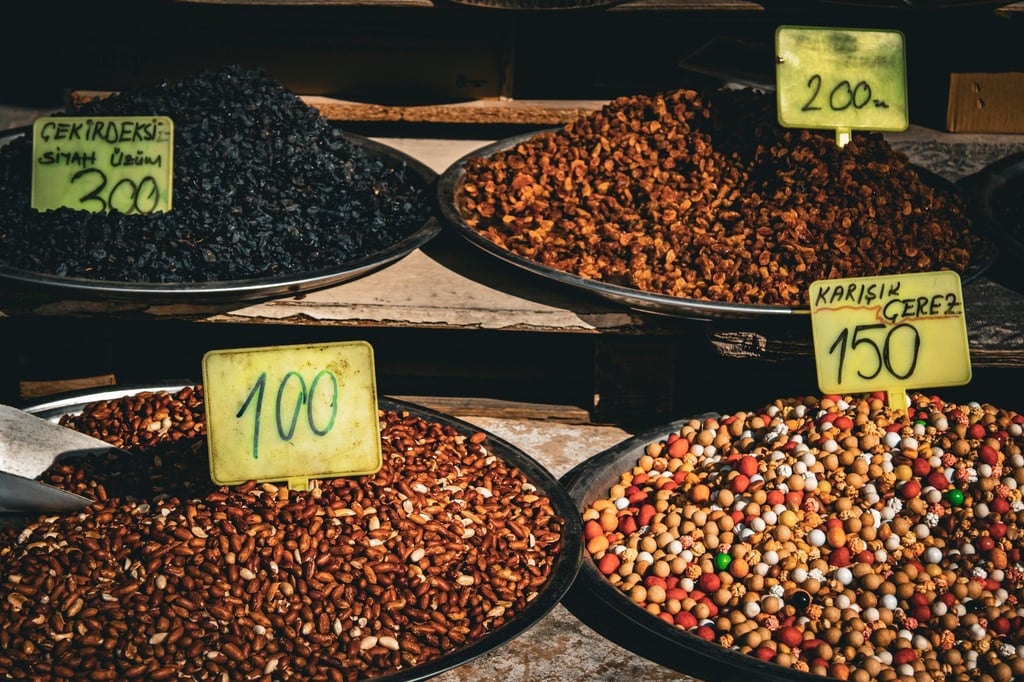
Almonds, cashews, raisins and dates are the classic gift to carry home, especially around festival season. Here is what to know before you pack them.
Are dry fruits and nuts allowed in cabin baggage in India?
Dry fruits and nuts are not on the list of items that Indian airports restrict in cabin baggage. The Airports Authority of India publishes a security page for passengers that lists flammable items, sharp objects and sporting goods as restricted, and dry fruits and nuts do not appear on it. The rules themselves are set by the Bureau of Civil Aviation Security (BCAS) and applied at the checkpoint by the security force.
Travel guides that summarise airline and airport practice say much the same: dry snacks, packaged snacks, and nuts and seeds are usually accepted in hand baggage. Because these are secondary sources and not a BCAS document, treat them as general guidance, and remember that the officer at the checkpoint has the final say.
Did you know that screening machines read what is inside your bag by density and shape? A tightly packed bag of mixed food can look cluttered on the screen, so officers may ask to open it. Keeping food in a separate pouch near the top of your bag makes that quick.

Should you pack them sealed or loose?
Sealed, factory-packed boxes and pouches are the smoothest option. They are easy to identify on the screen and easy for an officer to check without making a mess. Loose, home-packed dry fruits in a plain box or a zip-lock pouch are usually fine too, but they are more likely to be opened and inspected.
A few practical habits help:
- Keep the dry fruits in a bag or container that closes properly, so nothing spills during inspection.
- Do not mix them with oily or wet items. Anything that is a liquid, gel or paste, such as a nut butter or a dry-fruit spread, falls under the cabin liquids limit of 100 ml per item.
- If you are bringing a large quantity as gifts, put the bulk in checked baggage and keep a small snack pack in your cabin bag.
Is there a limit on how much you can carry?
No quantity limit for dry fruits was found in the official lists we reviewed. The practical limit is your baggage allowance: the weight of everything in your cabin bag and checked bag still counts against what your airline lets you carry. Dry fruits are dense and heavy for their size, so a few boxes can add up quickly. Check your fare’s cabin and checked allowance on your booking before you pack.
Carrying commercial quantities, for example a large carton meant for resale, is a different matter and can attract questions from the airline or customs, so keep to personal and gift amounts.
What about dry coconut and other items that look similar?
Whole dry coconut, called khopra or copra, is the one dry item travellers are most often caught out by. Media reports say BCAS added dried coconut (copra) to its list of banned items in 2022 because of its oil content and fire risk, and that it is not accepted in either cabin or checked baggage. We could not find the BCAS circular itself, so treat this as reported guidance and check with your airline. If you are not sure, leave it at home or ask your airline before you fly.
Dry fruits that are dried fruit or nuts, such as almonds, cashews, pistachios, raisins, dates and figs, are different items and are not named in that restriction. Roasted makhana and dried seeds are usually treated the same way as nuts, but when in doubt, a sealed pack is the safest choice.
Can you take dry fruits on an international flight?
Flight security and customs are two separate checks. Security decides whether an item may go on the plane. Customs and agriculture authorities at the destination decide whether it may enter the country. Many countries restrict or regulate plant and food products, and some ask you to declare nuts, seeds or dried fruit on arrival, even when the pack is sealed and commercially made.
Rules differ by country and change over time, so check the website of the destination’s customs or agriculture authority before you pack. If a declaration form asks about food, plant or seed products, declare them. Declaring is far better than facing a penalty or having the items taken at the airport.
Common Questions
Can I carry almonds and cashews in hand baggage in India?
Generally yes. Nuts are not on the restricted lists published by Indian airport authorities, and sealed packs are the easiest to clear. The security officer can still ask to inspect any bag.
Can I put dry fruits in checked baggage?
Yes, checked baggage is the best place for large quantities. Pack them in sealed boxes or strong pouches so nothing leaks or crushes in the hold.
Is dry coconut (khopra) allowed on flights?
It is widely reported as restricted by BCAS because of fire risk, and many airlines turn it away. Do not count on carrying it. Ask your airline first.
Do dry fruit gift boxes need to be sealed?
No rule says they must be, but sealed boxes are easier to screen and less likely to be opened. Keep the original packaging if you can.
Can I carry dry fruits to another country?
You may be allowed to, but the destination’s customs and agriculture rules apply on arrival. Check that country’s official website and declare food items if asked.
Do airlines charge extra for carrying food?
Food has no separate fee. It simply counts toward your baggage weight allowance, so heavy boxes may push you into excess baggage charges.
Planning a trip home with gifts in your bag? Search and compare flights on HappyFares, with zero convenience fee on domestic bookings, and set a price alert so you can book when the fare suits you.
Rules and fees change; verify current specifics with your airline, BCAS or the airport, and the destination’s customs authority, before you travel.

