
Yes, in most cases. Dry tea leaves, tea bags, ground coffee, instant coffee and coffee beans are dry items, so they are generally accepted in both cabin and checked baggage on Indian domestic flights. Liquids are different: brewed coffee, concentrate or filter decoction in the cabin must fit the 100 ml per container limit, while larger bottles are better packed in checked baggage.
Updated October 2026 · HappyFares
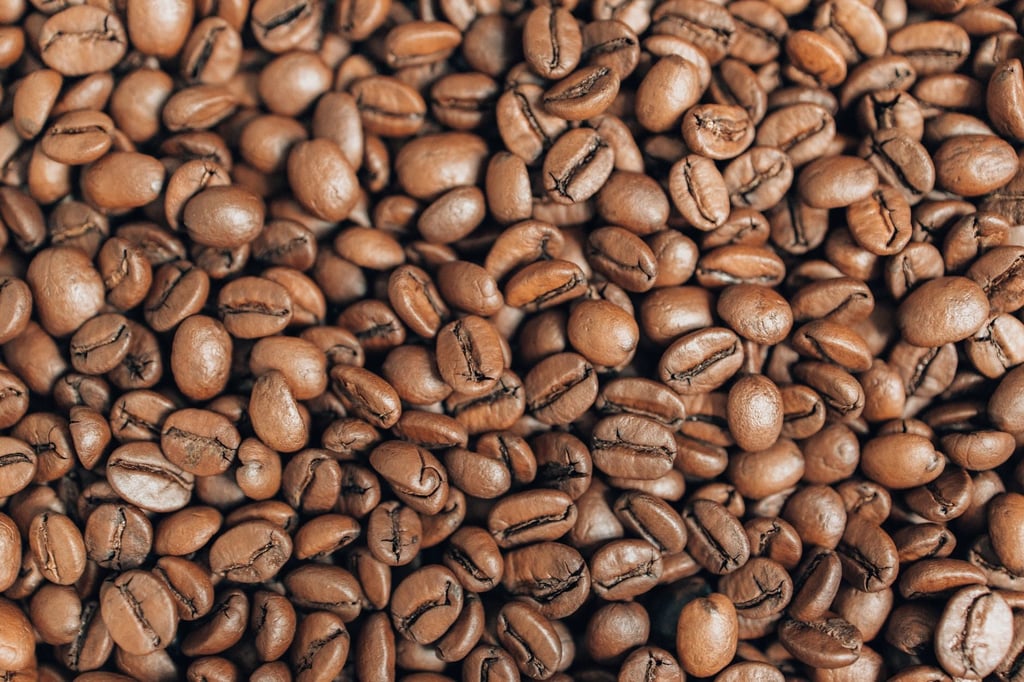
Tea and coffee are among the most common gifts people carry home from Assam, Darjeeling, Coorg or Chikmagalur. The good news is that dry products rarely cause trouble. The part that needs thought is anything liquid.
Can you carry dry tea and coffee in cabin baggage?
Dry tea leaves, tea bags, ground coffee, instant coffee granules and whole coffee beans are not liquids, gels or aerosols, so the liquid limit does not apply to them. In practice they are treated like other packaged dry food such as biscuits or roasted snacks, and travel guides generally list dry and sealed snack foods as fine for hand baggage.
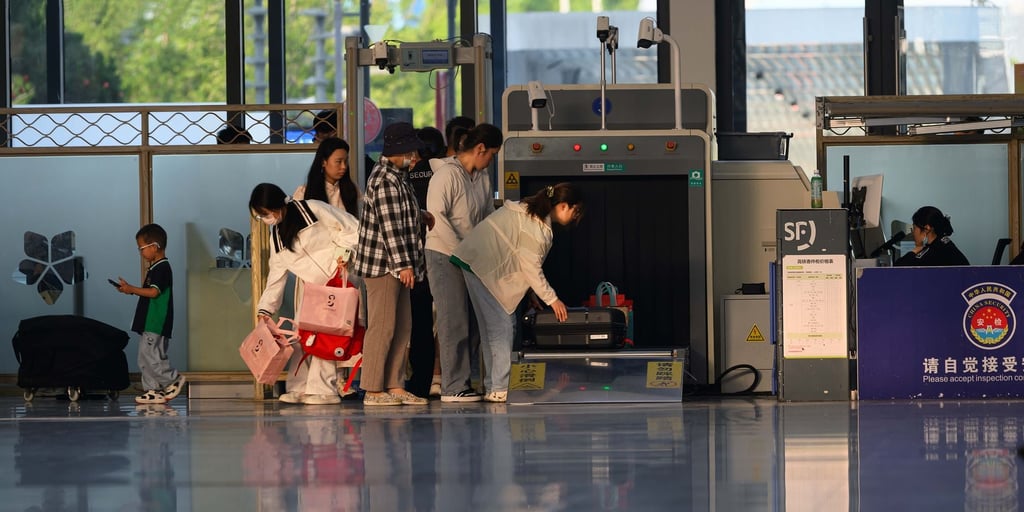
Two practical points help. First, keep the packs sealed and in their original packaging where possible, so the screening officer can see what they are. Second, pack them where you can reach them. The officer may ask you to take packets out of the bag for a closer look or a manual check. Screening decisions at the checkpoint are at the officer’s discretion, so a calm, cooperative approach saves time.
What about liquid coffee, decoction or concentrate?
Anything liquid or semi-liquid in hand baggage falls under the security liquids rule that applies at Indian airports. The Airports Authority of India’s airport security pages say liquids, aerosols and gels in cabin baggage must be in containers of no more than 100 ml each, and all of them must fit in one clear, resealable plastic bag of up to one litre. Medicines with a prescription and baby food are among the exemptions listed.
For tea and coffee this means:
- A bottle of filter coffee decoction or coffee concentrate larger than 100 ml should not go in the cabin bag.
- Small sample bottles of 100 ml or less can go in the clear bag with your other liquids.
- A sealed flask or bottle of brewed tea or coffee is a liquid too. Empty it before the checkpoint and fill the flask after screening, if the airport has a water refill point or a cafe.
Air India’s cabin baggage guidance also says beverages count among the liquids that should not exceed 100 ml in the cabin, so the same logic holds for brewed drinks.
Can you pack tea and coffee in checked baggage?
Yes. Checked baggage is where larger liquids belong, and dry tea and coffee can go there too. If you are carrying a bottle of decoction or concentrate, seal the cap, wrap the bottle in a plastic bag and cushion it with clothes, so that a leak does not stain the rest of your luggage. Coffee powder and tea leaves are also easier to keep fresh in a tightly sealed bag or tin.
Remember that checked baggage is subject to the weight allowance of your fare. Tea and coffee gifts are heavier than they look, so weigh them before you leave home. Also, checking in is free on Indian airlines, so the only limit to factor in is the baggage allowance on your ticket.
What are the rules for taking tea abroad or bringing it into India?
International travel adds a second layer: customs. Every country sets its own rules on what food and plant products may be brought in, and tea and coffee are usually allowed in modest personal quantities, but limits and declaration requirements differ. Some countries ask you to declare agricultural products, and for others sealed commercial packs are treated more easily than loose, homemade blends.
The safest approach is to check the customs website of the country you are flying to, and for the return journey, the Indian customs guidance for arriving passengers. Keep tea and coffee in sealed retail packaging with the label visible, and do not rely on a friend’s past experience, because rules are updated.
Also check the airline. Each carrier can set its own conditions for what it accepts in the cabin, and connecting flights through other countries may bring their own security rules for liquids.
How should you pack tea and coffee so they arrive fresh?
Aroma is the main thing you want to protect. Keep tea and coffee away from strongly scented items such as soaps, spices and perfumes, since tea in particular picks up smells easily. Pack them in airtight tins or zip bags, and put them in the middle of a bag rather than against the outer wall, where they are more likely to be squeezed.
Did you know? India grows tea in several regions, including Assam and Darjeeling, and coffee in the hills of Karnataka such as Coorg and Chikmagalur, which is why both make popular gifts to carry home.
Common Questions
Can I carry tea leaves in my hand baggage?
Generally yes. Dry tea leaves and tea bags are dry items and are not covered by the liquid limit. Keep them in sealed packs.
Is coffee powder allowed on flights in India?
Generally yes, in both cabin and checked baggage. Keep it sealed and easy to take out in case the officer wants to inspect it.
Can I carry filter coffee decoction in the cabin?
Only in containers of 100 ml or less, inside the clear one-litre bag. Larger bottles should go in checked baggage.
Can I carry a flask of hot tea through security?
Not with liquid in it. Empty the flask before the checkpoint and refill it afterwards.
Do I have to declare tea at customs on international trips?
It depends on the country and the quantity. Check the customs rules of your destination and of India for the return trip.
Does the airline charge for carrying tea or coffee?
No separate fee applies, but the weight counts toward your baggage allowance.
Flying home with a bag of Assam or Coorg gifts? Search and compare flights on HappyFares, with zero convenience fee on domestic bookings, and set a price alert so you catch a good fare.
Security rules, baggage allowances and customs requirements change. Verify current specifics with the airline, the airport or the customs authority before you travel.

