
Ears block on a flight because the air pressure in the middle ear lags behind the changing cabin pressure during climb and descent. The Eustachian tube normally evens this out, but it can be slow, especially with a cold. Swallowing, yawning, chewing gum and gently equalising usually help. See a doctor if pain or muffled hearing lasts.
Updated October 2026 · HappyFares
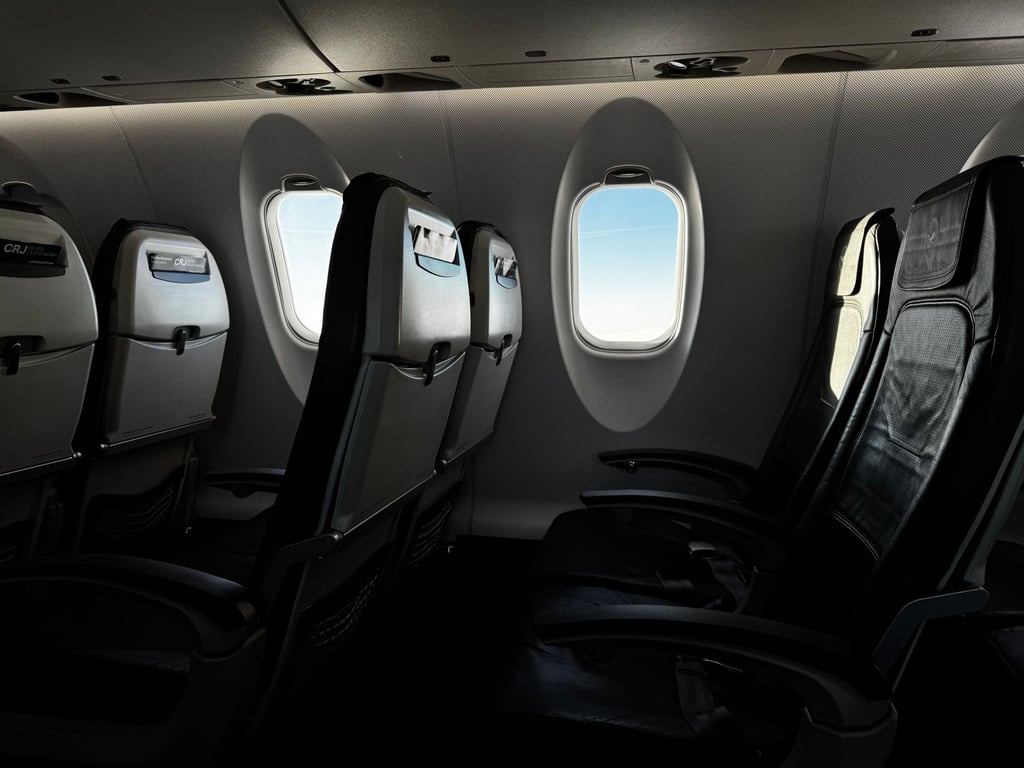
That full, plugged feeling as the plane descends is common and usually harmless. Knowing why it happens makes it easier to deal with.
Why do ears block on a flight?
Behind your eardrum is a small air-filled space, the middle ear. A narrow passage called the Eustachian tube connects it to the back of your nose and throat, and it opens briefly to let air in or out so the pressure on both sides of the eardrum stays balanced.
When an aircraft climbs or descends, the pressure outside your ear changes. If the tube does not open quickly enough, the eardrum is pushed or pulled, which feels like fullness, muffled sound or a dull ache. Medical sources describe this as airplane ear, and it tends to be most noticeable during descent, when the tube has to let air in.
What helps during take-off and landing?
Anything that makes you swallow or move your jaw can help the tube open.
- Swallow and yawn: do this often during climb and especially during descent.
- Chew gum or suck a sweet: it makes you swallow more. A plain vegetarian boiled sweet or mint does the job.
- Sip water: it prompts swallowing too.
- Stay awake for descent: when you sleep you swallow less, so set an alarm or ask the crew to wake you before landing.

Is it safe to pop my ears by holding my nose?
The Valsalva manoeuvre is a commonly suggested technique: pinch your nostrils, close your mouth and breathe out very gently, as if blowing your nose softly. The key word is gently. Blowing hard can injure the ear. If it does not work after a couple of soft tries, stop and go back to swallowing and yawning.
Should I take a decongestant before flying?
If you have a cold, a blocked nose or an allergy flare-up, your Eustachian tube is more likely to be sluggish, and flying with congestion makes airplane ear more likely. Some travellers use an over-the-counter decongestant nasal spray or allergy tablet before descent. Be careful here. These medicines are not suitable for everyone, such as people with certain heart conditions, high blood pressure or pregnancy, and they should not be used for long stretches. Speak to a pharmacist or doctor before using one, especially for children.
If you are very congested or recovering from an ear infection, it may be worth asking a doctor whether you should fly at all, or whether to wait a few days.
What about babies and young children?
Babies cannot chew gum or follow instructions, and infants and toddlers have smaller Eustachian tubes, so they may be more affected. Medical advice commonly suggested for infants is to feed them during take-off and landing, whether by breast, bottle or a pacifier, because sucking and swallowing helps the ears. A sleeping baby will not swallow much, so waking them gently for feeding at descent can help. Older children can sip water, suck a sweet if age-appropriate, or yawn on cue.
Crying is a normal reaction to the pressure change and often settles once the plane levels out. If your baby seems in lasting distress, speak to a doctor after the flight.
Did you know? The pressure change is greatest during climb and descent, which is why the plugged feeling usually settles once the aircraft is cruising level.
How can I prepare before the flight?
A little planning makes a difference. If you know you are prone to blocked ears, avoid flying with a heavy cold when you can, and book a seat where you can move around easily. Keep a bottle of water and a plain sweet or gum in your pocket so you do not have to reach into the overhead bin as the plane starts to descend. Start swallowing and yawning as soon as you hear the descent announcement, instead of waiting until the pressure is already uncomfortable. It is easier to keep the tube open than to open it once it has closed.
If you often get ear pain on flights, mention it to a doctor before your next trip. They can check for an underlying cause, such as allergies or a past ear problem, and suggest what is suitable for you.
Common Questions
How long do blocked ears last after a flight?
Usually a short while, and often they clear within minutes to hours with swallowing and yawning. See a doctor if fullness or muffled hearing lasts more than a few days.
When should I see a doctor?
If you have severe ear pain, dizziness, ringing, a sense of lasting blockage, or hearing that does not return to normal within a few days, get medical advice.
Does it hurt more on the way down?
Many people feel it more during descent, because the tube must let air in against the rising outside pressure.
Can I fly with a cold?
You can, but airplane ear is more likely. Talk to a doctor or pharmacist about what is safe for you, and avoid overusing medicines.
Do earplugs help?
Some travellers use pressure-regulating earplugs, which are made to slow the pressure change on the eardrum. They are not a medical treatment, so do not rely on them if you are unwell.
Is airplane ear dangerous?
It is usually uncomfortable rather than dangerous, and it generally goes away on its own. Persistent symptoms deserve a check-up.
Planning your next trip? Search and compare flights on HappyFares, with zero convenience fee on domestic bookings, price alerts, and travel insurance available.
This is general information, not medical advice. Rules and fees change; verify current specifics with a doctor, the airline, or the airport before you travel.

