
Unlit incense sticks (agarbatti) and dhoop cones are generally accepted in cabin and checked baggage in India, because they are not on the usual lists of banned items. You cannot burn them on board, and the lighter or matches you would need to light them are themselves not allowed. Always confirm with your airline, and check customs rules for international trips.
Updated October 2026 · HappyFares
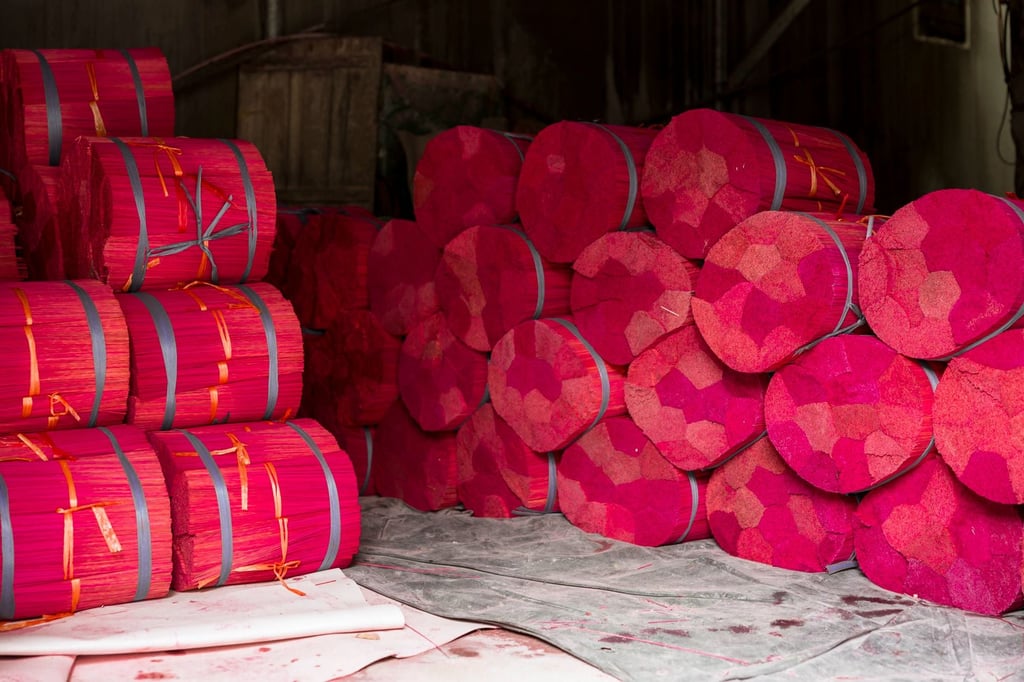
Travelling for a festival, a pilgrimage or a new home often means carrying agarbatti and dhoop with you. The good news is that the items themselves rarely cause trouble. The trouble tends to come from what travels with them.
Can I carry incense sticks on a flight in India?
In general, yes. Incense sticks and dhoop are made of aromatic powders, resins and wood, not flammable liquids or compressed gas. They do not appear in the indicative list of items prohibited in cabin or check-in baggage that is reproduced on airport security pages, which names items such as lighters and matches but not incense. Airports and airlines can still apply their own judgement at screening, so keep the packs sealed and tidy.
Incense is not named in the lists we checked, so treat this as a general position, not a quoted rule. If you are carrying a large quantity, check your airline’s page or ask before you fly.
Should incense go in cabin or checked baggage?
Both are generally fine, and the better choice depends on the pack:
- Cabin baggage keeps thin sticks from snapping and stops strong fragrance leaking into your clothes. Smaller packs are quick to show at screening.
- Checked baggage suits big bundles and boxes of cones, since they take up space and weight in your cabin bag.
Whichever you choose, keep incense in its original sealed packet, inside a zip-lock bag. The scent can travel, and a split pack leaves ash-coloured powder on everything. Dense blocks of powder can look unclear on the X-ray, so if a screener asks to look at a pack, simply open it for them.
Can I burn incense or dhoop on the plane?
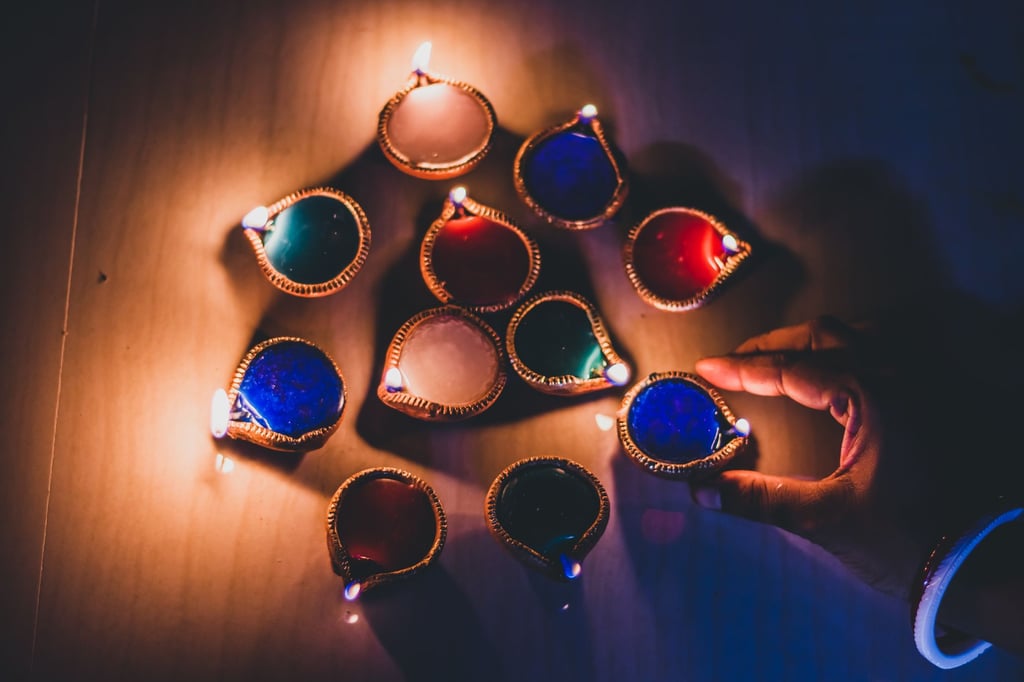
No. Lighting anything on board is not allowed, and the cabin has smoke detection. The aroma is also a nuisance for neighbours in a closed cabin, and smoke can set off the alarms in the lavatory. Treat incense as a pack-and-carry item only, and light it after you reach your destination.
That raises the practical question of how you will light it. Lighters and matches are generally not allowed in either cabin or checked baggage in India, so buy a matchbox or lighter at your destination. Our guide on matchboxes and lighters explains the rule in detail.
Did you know that sealed packets can puff up in flight? Cabin pressure is lower than at ground level, so a tightly sealed incense pack can look bloated when you land. It is harmless, but a loose outer bag helps if a seal gives way.
How is camphor different from incense?
Camphor is often packed alongside agarbatti in a pooja kit, but airports and airlines can treat it differently. Some airport lists name camphor among restricted items, while incense is not named. Our existing guide on camphor and pooja items covers that in depth, so check it before you pack a pooja thali. As a rule of thumb, pack incense and dhoop together, and camphor separately only after you have checked the current rule.
How do I pack incense so it arrives intact?
Thin agarbatti sticks snap easily, and dhoop cones crumble if pressed. Keep sticks in their original box or a stiff cardboard tube, and wrap the box in a soft layer such as a towel or a shawl so nothing pushes against it. Place cones in a small hard container with a lid, so they cannot be crushed under heavier items.
Pack incense away from food items, tea and clothes you want to keep fresh, since strong fragrance travels. A second plastic bag around the pack contains the smell and any loose powder. Label the bag if you are carrying several kinds, so you can answer quickly when a screener asks what is inside.
What about international flights?
Customs rules are set by the destination, not by the Indian airport. Many countries restrict plant material, and sandalwood and some resins and herbs can fall under plant, forest-product or endangered-species rules. Authorities may ask you to declare them, and goods that are not declared may be seized or lead to a fine. Before you leave, read the customs and biosecurity page of the country you are visiting, and the pages for any transit country where you will be in the airport. If in doubt, declare it. Carrying a small, labelled, commercial pack is usually easier to explain than loose or unlabelled material.
Common Questions
Are agarbatti sticks allowed in hand luggage?
Generally yes, unlit and in a sealed packet. Confirm with your airline for large quantities.
Can I carry dhoop sticks and cones?
Generally yes. They are treated like incense, but keep them sealed and be ready to show them.
Can I light incense in the airport or on the aircraft?
No. Do not light anything on board, and do not light it in the terminal either.
Will incense be a problem at the X-ray?
Sometimes a screener asks to look at a pack. Keeping it in the original packaging makes that quick.
Can I carry sandalwood incense abroad?
It depends on the destination. Check the customs rules of that country, as some restrict sandalwood and plant products.
Does incense count toward baggage weight?
Yes. It is part of your bag, so its weight counts in checked baggage and your cabin bag.
Heading home for a festival? Compare flights on HappyFares with zero convenience fee on domestic bookings, and ask Meera, our AI assistant, to help with your search.
Rules and fees change. Verify current specifics with your airline, BCAS, the airport or the destination country’s customs before you travel.

